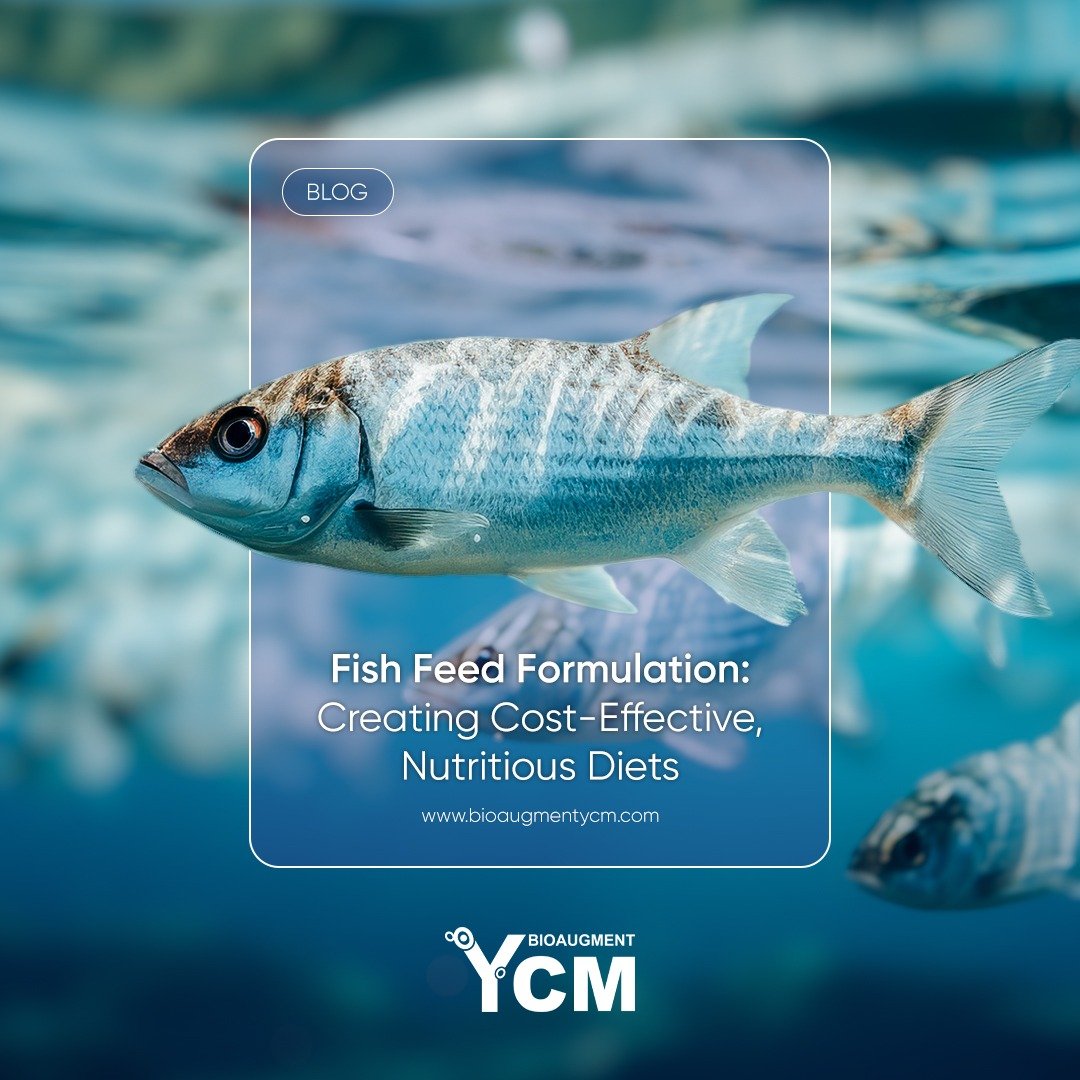
In modern aquaculture, feed accounts for 50–70% of total production costs, making fish feed formulation one of the most critical factors in farm profitability. A well-balanced diet not only supports faster growth and better feed conversion but also improves fish health, water quality, and overall farm sustainability.
For fish farmers and aquaculture nutritionists, the challenge is clear: create diets that are nutritionally complete while remaining cost-effective. By combining the right ingredients, nutrient balance, and functional feed additives, producers can achieve better growth performance without increasing production costs.
Let’s explore the key principles behind effective fish feed formulation and how farmers can optimize diets for healthier, faster-growing fish.
Understanding Fish Nutritional Requirements
Different fish species require different nutrient profiles, but most aquaculture diets must include the following essential components:
Protein
Protein is the most important and expensive nutrient in fish diets. It supports muscle development, growth, and tissue repair.
Common protein sources include:
-
Fish meal
-
Soybean meal
-
Canola meal
-
Insect protein
-
Algae-based proteins
Carnivorous fish typically require 35–50% protein, while herbivorous or omnivorous species need 25–35% protein.
Lipids (Fats)
Lipids provide concentrated energy and essential fatty acids that support growth and immune function.
Benefits of balanced lipid levels:
-
Improved growth performance
-
Better energy utilization
-
Enhanced feed efficiency
Carbohydrates
Although fish utilize carbohydrates less efficiently than livestock, they still serve as a cost-effective energy source in formulated diets.
Typical carbohydrate sources include:
-
Corn
-
Wheat
-
Rice bran
-
Cassava meal
Balancing Vitamins and Minerals
Micronutrients are essential for metabolism, immunity, and skeletal development.
Important micronutrients include:
-
Vitamin C for immunity
-
Vitamin D for bone health
-
Calcium and phosphorus for skeletal strength
-
Trace minerals such as zinc and selenium
A deficiency in these nutrients can lead to poor growth, deformities, or disease susceptibility.
Improving Feed Conversion Ratio (FCR)
A primary goal of fish feed formulation is achieving a low Feed Conversion Ratio (FCR). A lower FCR means fish convert feed into body weight more efficiently.
Strategies to improve FCR include:
-
Optimizing protein and energy balance
-
Using highly digestible ingredients
-
Maintaining pellet quality and stability
-
Supporting gut health and digestion
Functional feed additives can also help enhance nutrient absorption and improve digestive efficiency.
The Role of Functional Feed Additives
Modern aquaculture diets increasingly include functional additives that support digestion, immunity, and microbial balance.
Examples include:
-
Enzymes for improved nutrient digestion
-
Organic acids for gut health
-
Postbiotic compounds that stabilize intestinal microbiota
These additives help fish better utilize nutrients, leading to:
-
Improved growth rates
-
Better feed efficiency
-
Reduced disease risk
Sustainability in Fish Feed Formulation
With rising pressure on global fishmeal supplies, sustainable alternatives are becoming more important.
Emerging ingredients include:
-
Plant proteins
-
Insect meal
-
Fermented feed ingredients
-
Algae-based oils
These alternatives reduce reliance on wild fish stocks while maintaining strong nutritional value.
Practical Tips for Fish Farmers
To maximize feed efficiency and profitability:
-
Use species-specific feed formulations
-
Monitor feeding rates carefully
-
Avoid overfeeding to reduce water pollution
-
Store feed properly to maintain nutrient quality
-
Work with nutritionists to adjust diets as fish grow
Small improvements in feed management can significantly impact production cost and overall farm profitability.
Successful aquaculture depends heavily on balanced, cost-effective fish feed formulation. By combining quality ingredients, precise nutrient ratios, and functional additives, farmers can achieve faster growth, improved feed efficiency, and healthier fish stocks.
As aquaculture continues to expand globally, optimizing fish nutrition will remain a key strategy for sustainable and profitable fish farming.
Improve Aquaculture Nutrition with YCM
Looking to enhance digestion, feed efficiency, and fish health in your aquaculture system?
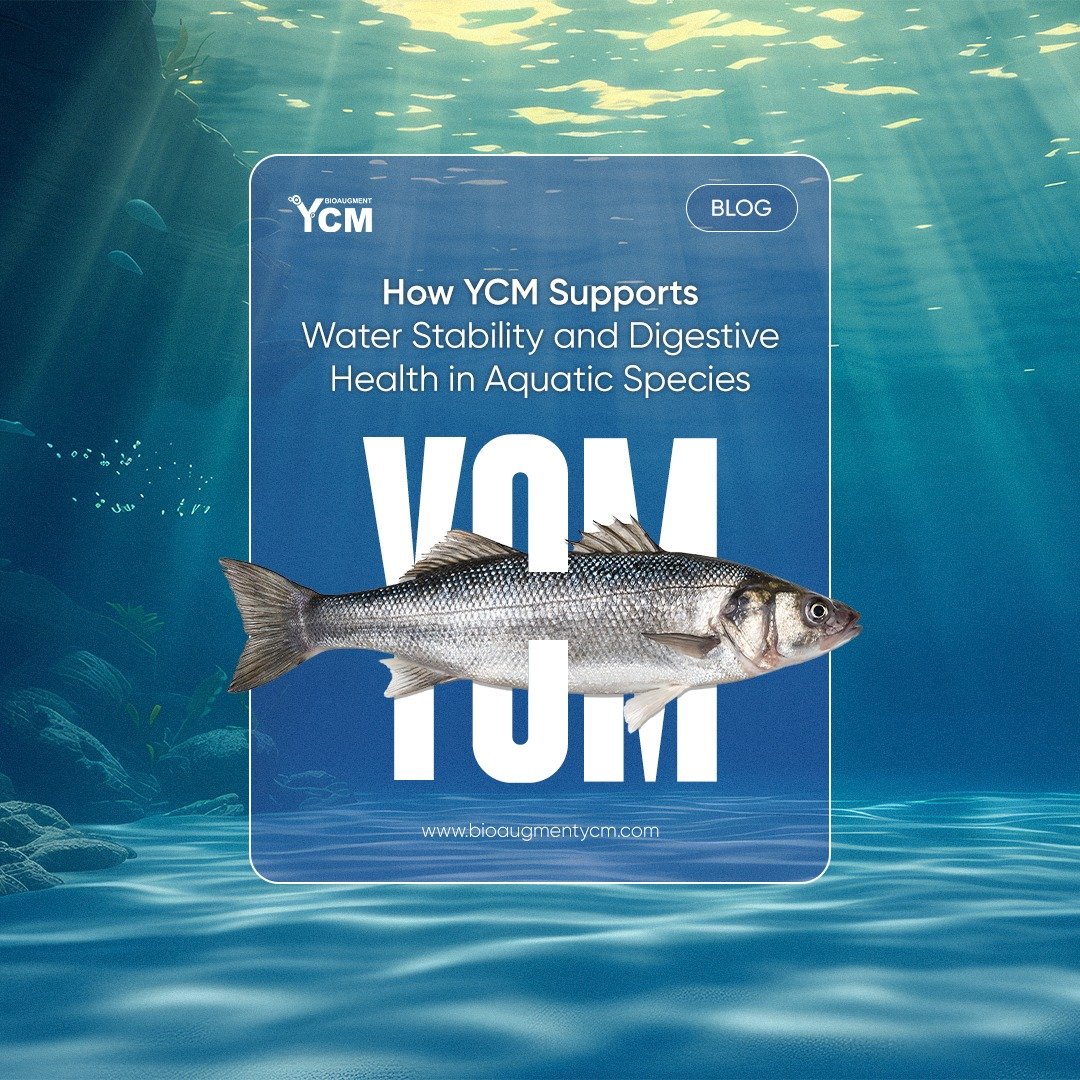
YCM (Yeast Culture Metabolites) supports gut microbiota balance, improves nutrient utilization, and strengthens fish immunity helping farmers produce healthier fish with better feed efficiency.