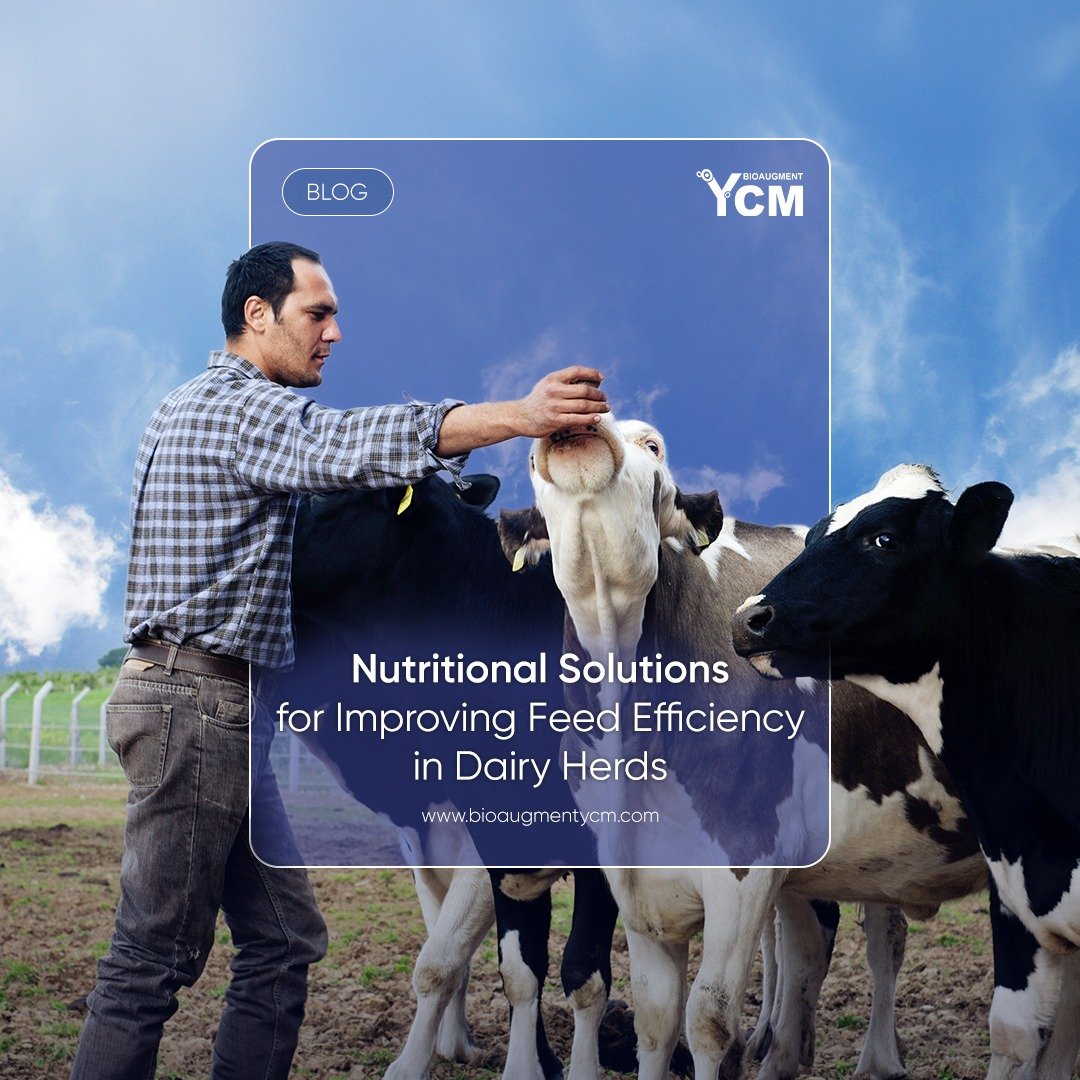
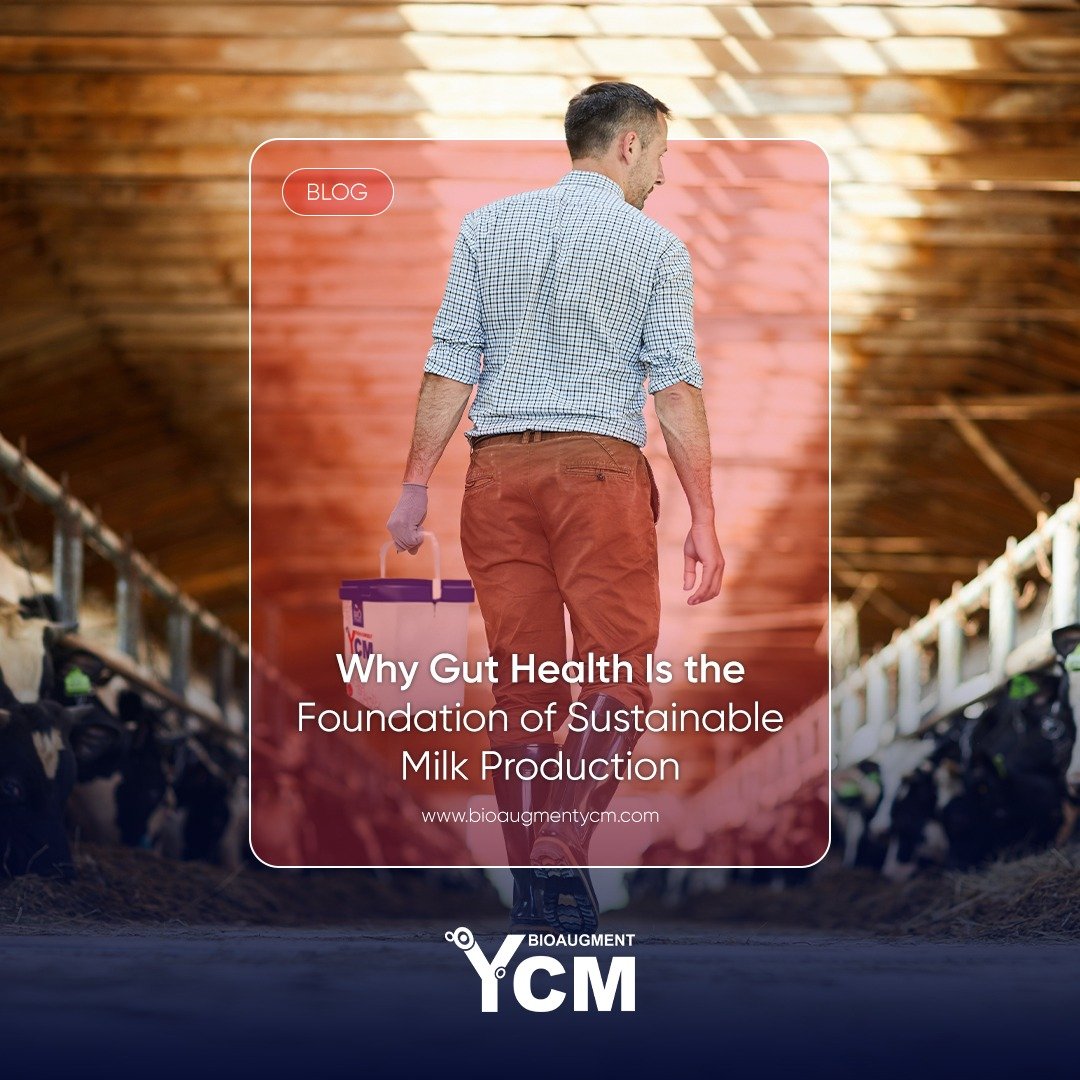
Sustainable dairy production depends on more than genetics and feed quantity—it depends on how efficiently cows convert feed into milk. At the center of this process lies the digestive system, particularly the rumen and gut microbiota. When gut health is strong, dairy cows utilize nutrients more effectively, maintain stronger immunity, and produce milk more consistently.
This is why modern dairy nutrition increasingly focuses on gut health as the foundation of sustainable milk production.
Understanding the Role of the Dairy Cow Gut
The digestive system of a dairy cow is a highly complex microbial ecosystem. Billions of beneficial microorganisms work together to break down fiber, starch, and other nutrients in feed.
A healthy gut supports:
-
Efficient rumen fermentation
-
Higher feed conversion efficiency
-
Stable rumen pH
-
Strong immune response
-
Consistent milk production
When this microbial balance is disrupted, nutrient utilization declines and production suffers.
How Gut Health Influences Milk Production
Milk production depends heavily on how well cows digest and absorb nutrients.
Healthy gut function helps:
-
Improve fiber digestion from forages
-
Increase volatile fatty acid (VFA) production
-
Enhance nutrient absorption
-
Maintain steady dry matter intake (DMI)
These processes directly impact both milk yield and milk components such as fat and protein.
Gut Health and Feed Efficiency
Feed costs represent the largest expense in dairy farming. Cows with strong digestive efficiency convert more nutrients into milk rather than waste.
Benefits of improved feed efficiency include:
-
Lower feed costs per liter of milk
-
Reduced methane intensity per unit of production
-
Better overall farm sustainability
A stable gut microbiome ensures nutrients are utilized effectively throughout the production cycle.
Gut Health and Immune Function
The gut is closely linked to the immune system. A balanced microbial environment helps protect cows from pathogens and inflammation.
Good gut health can help reduce the risk of:
-
Mastitis
-
Digestive disorders
-
Metabolic diseases
-
Stress-related performance drops
Healthy cows recover faster and maintain production more consistently.
Environmental Sustainability Through Digestive Efficiency
Improving gut health not only benefits production but also reduces environmental impact.
Efficient digestion leads to:
-
Lower methane emissions per unit of milk
-
Reduced nutrient waste
-
Better manure nutrient balance
This makes gut-focused nutrition an important strategy for climate-smart dairy farming.
Nutrition Strategies That Support Gut Health
Dairy producers can strengthen gut health through targeted nutritional practices such as:
-
Maintaining consistent feeding schedules
-
Providing balanced fiber and starch levels
-
Avoiding sudden ration changes
-
Supporting beneficial rumen microbes with functional feed additives
These practices help stabilize fermentation and maximize nutrient utilization.
Gut health is the hidden engine of dairy productivity. Farms that prioritize digestive efficiency gain advantages in milk yield, cow health, feed efficiency, and environmental sustainability.
As dairy farming evolves toward more sustainable production systems, focusing on rumen and gut health will remain one of the most effective strategies for long-term success.
Strengthen Gut Health with YCM
Looking to improve rumen efficiency and support sustainable milk production?
YCM (Yeast Culture Metabolites) helps stabilize rumen microbiota, improve feed efficiency, and support immune health allowing dairy cows to convert feed into consistent, high-quality milk production.