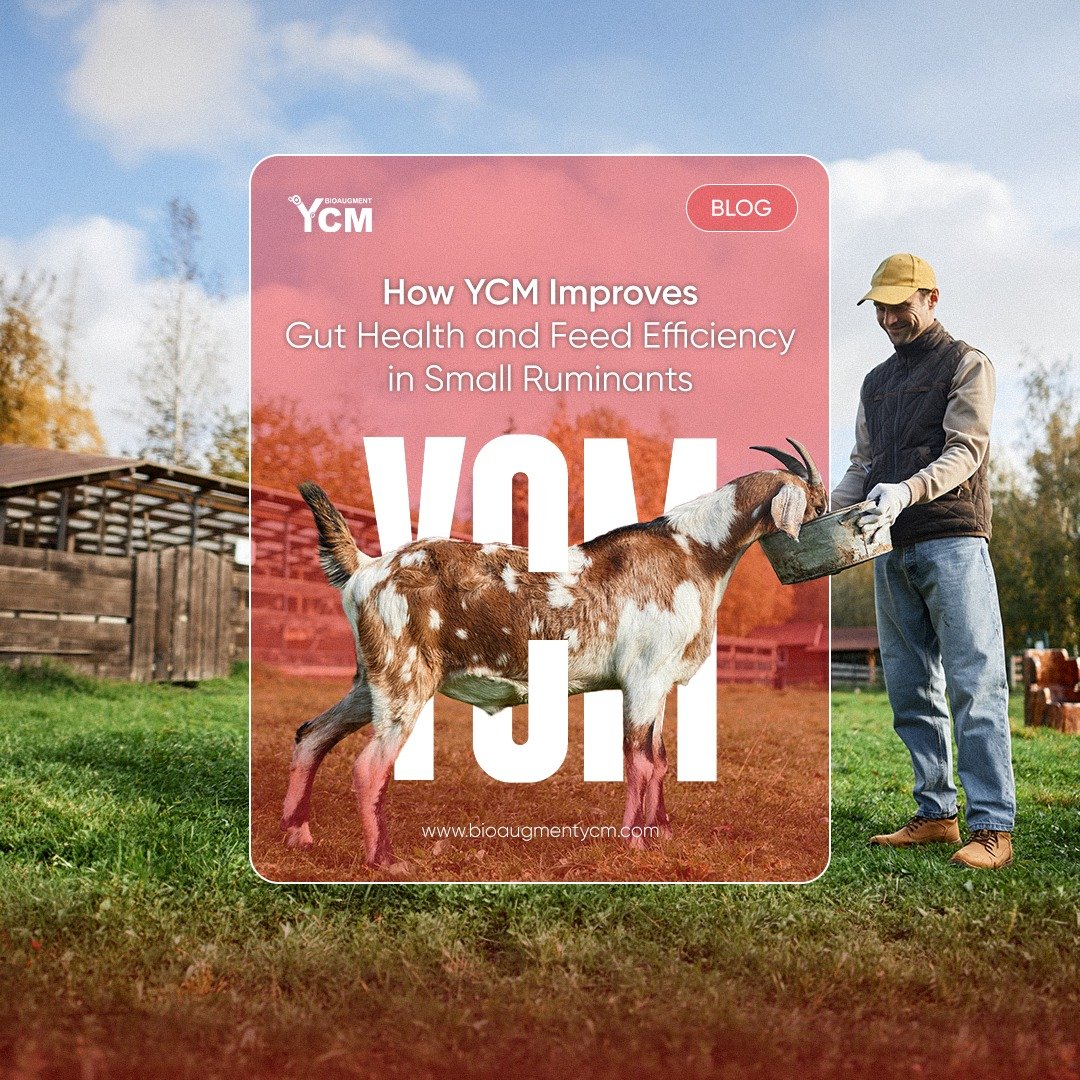
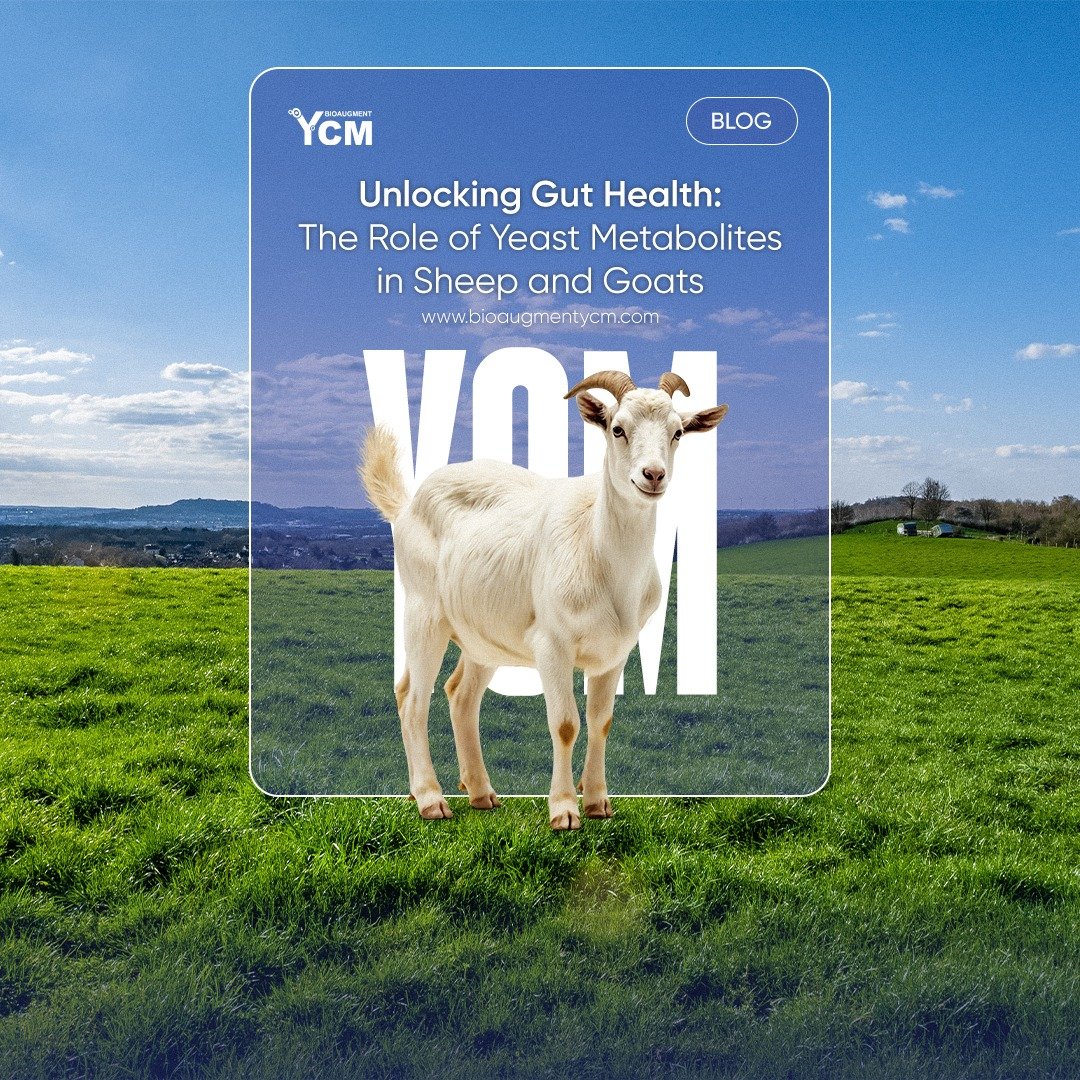
Yeast cultural metabolites are becoming a game-changer in small ruminant nutrition. For sheep and goat farmers, they offer a natural way to improve digestion, strengthen immunity, and get more output from the same feed ,all without antibiotics.
What Are Yeast Cultural Metabolites?
Yeast cultural metabolites (YCM) are bioactive compounds produced during the controlled fermentation of Saccharomyces cerevisiae yeast. The process creates enzymes, organic acids, peptides, vitamins, and beta-glucans. Unlike live yeast probiotics, metabolites are postbiotic , the yeast cells are removed, leaving a stable, concentrated solution that’s easy to store and mix into feed.
This makes them ideal for small ruminants like sheep and goats, whose rumen is highly sensitive to diet and environmental stress.
Why Gut Health Matters in Small Ruminants?
The rumen is the engine of digestion in sheep and goats. When its microbial balance is disrupted by poor forage, sudden diet changes, or heat stress, animals suffer from reduced feed intake, low weight gain, and higher disease risk.
Yeast metabolites help restore and maintain that balance in four key ways:
1. Stabilizing Rumen pH:-
Organic acids in yeast metabolites act as natural buffers. They prevent rumen acidosis, which is common when animals consume high-concentrate feeds before breeding or fattening.
2. Boosting Fiber Digestion:-
The enzymes break down tough plant fibers like cellulose and hemicellulose. This increases energy availability from hay and pasture, cutting feed costs for farmers.
3. Enhancing Immunity:-
Beta-glucans and nucleotides stimulate the gut-associated lymphoid tissue. The result is better disease resistance, especially important for weaning lambs and kids.
4. Improving Feed Conversion:-
With better nutrient absorption, animals convert feed into muscle and milk more efficiently. Field studies report 5-12% improvement in average daily gain and milk.
Practical Benefits for Farmers
Higher Productivity: Faster weight gain in meat goats and more consistent milk production in dairy goats.
Reduced Mortality: Lower incidence of digestive disorders in young animals during weaning.
Antibiotic-Free Farming: Meets export and organic certification requirements by reducing reliance on growth-promoting antibiotics.
Cost Savings: Improved feed efficiency means you need less concentrate feed per kg of meat or liter of milk.
How to Feed Yeast Metabolites to Sheep and Goats?
Yeast metabolites are available as dry powder or liquid concentrate. The recommended dosage is 2-5g per animal per day, mixed into concentrate feed or mineral blocks.
Introduce it gradually over 7-10 days so the rumen microbiome can adapt. Combine with clean water and balanced forage for best results. Most farmers notice improved manure consistency and animal activity within 2-3 weeks.
Who Should Use It?
Dairy goat farms aiming for higher milk fat and protein content
Meat sheep producers looking for faster finishing times
Smallholder farmers dealing with low-quality seasonal forage
Organic farms seeking natural feed additives
The Future of Small Ruminant Nutrition:-
As consumers demand antibiotic-free meat and milk, yeast metabolites align with sustainable livestock practices. They’re cost-effective, safe, and backed by growing research in animal nutrition.
For small ruminant farmers, this is a low-risk way to improve animal health while protecting margins. For more you can visit us at YCM.