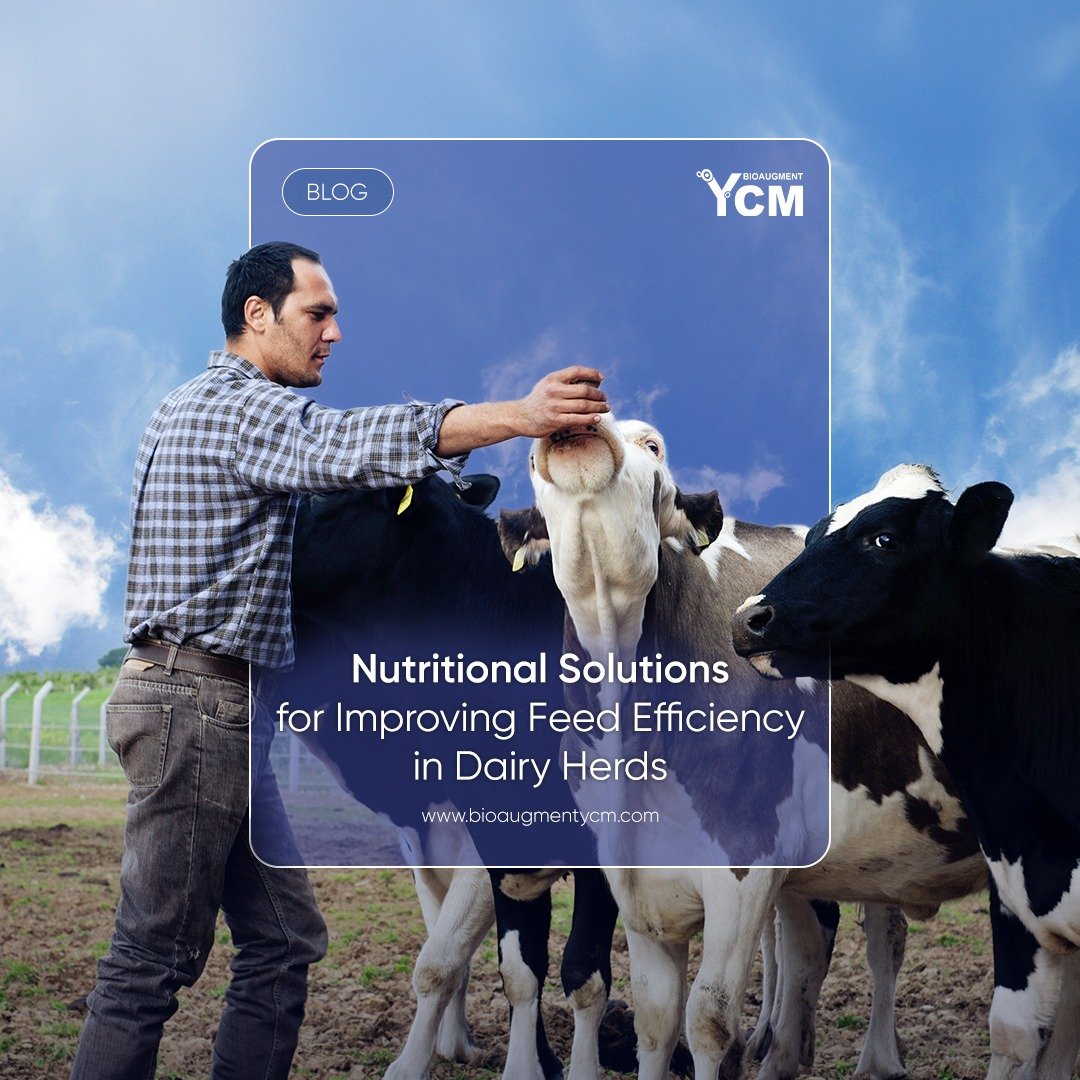
In modern dairy production, maintaining rumen health is essential for optimizing milk yield, milk components, and overall cow performance. With increasing pressure to improve feed efficiency, reduce antibiotic reliance, and enhance milk quality, feed additives have become a strategic tool in dairy nutrition programs across the United States.
Understanding how feed additives support rumen function can help producers maximize both productivity and profitability.
Why Rumen Health Is Critical for Milk Production
The rumen is a complex fermentation system where microbes convert fiber, starch, and other nutrients into volatile fatty acids (VFAs), the primary energy source for dairy cows.
A healthy rumen ensures:
-
Efficient fiber digestion
-
Stable rumen pH
-
Optimal microbial balance
-
Consistent dry matter intake
-
Higher milk fat and protein levels
When rumen health is compromised, milk yield and milk quality often decline.
Common Rumen Challenges in Dairy Cows
Several factors can disrupt rumen function:
-
High-starch diets leading to subacute ruminal acidosis (SARA)
-
Fluctuating forage quality
-
Heat or cold stress
-
Inconsistent feeding schedules
-
Sudden ration changes
Feed additives are designed to help stabilize fermentation and protect microbial balance under these conditions.
Types of Feed Additives That Support Rumen Health
1. Yeast Culture and Postbiotic Products
These support beneficial microbial populations, improving fiber digestion and feed conversion efficiency. Postbiotic metabolites help enhance rumen stability without relying on live organisms.
2. Buffers
Buffers help maintain optimal rumen pH, reducing the risk of acidosis and supporting milk fat production.
3. Enzymes
Exogenous enzymes improve fiber breakdown, increasing nutrient availability from forages.
4. Organic Acids
Organic acids support microbial balance and help maintain rumen stability during dietary transitions.
Impact on Milk Quality
Improved rumen function directly influences milk components:
-
Better fiber digestion supports higher milk fat percentages
-
Improved microbial protein synthesis enhances milk protein levels
-
Stable fermentation reduces milk fat depression
-
Strong gut health lowers somatic cell count risks
Feed additives that optimize rumen efficiency ultimately improve both milk yield and milk composition.
Feed Efficiency and Sustainability Benefits
Beyond production gains, rumen-supporting additives contribute to:
-
Improved feed conversion ratios
-
Reduced methane intensity per unit of milk
-
Lower nitrogen excretion
-
Better economic returns per cow
Efficient rumen fermentation is a key pillar of sustainable dairy production.
Choosing the Right Feed Additive Strategy
When selecting feed additives, dairy producers should consider:
-
Herd production goals
-
Ration composition
-
Seasonal stress factors
-
Cost-benefit return
Working with a nutritionist ensures additives complement the overall feeding program rather than replacing balanced ration management.
Feed additives play a crucial role in stabilizing rumen function, improving feed efficiency, and enhancing milk quality. As dairy production systems become more precise and performance-driven, targeted rumen support is no longer optional, it is essential.
Enhance Rumen Health with YCM
Looking to strengthen rumen stability and improve milk components naturally?
YCM (Yeast Culture Metabolites) supports beneficial rumen microbes, enhances feed efficiency, and promotes consistent milk quality. Add YCM to your dairy nutrition program and unlock stronger performance from every ration.