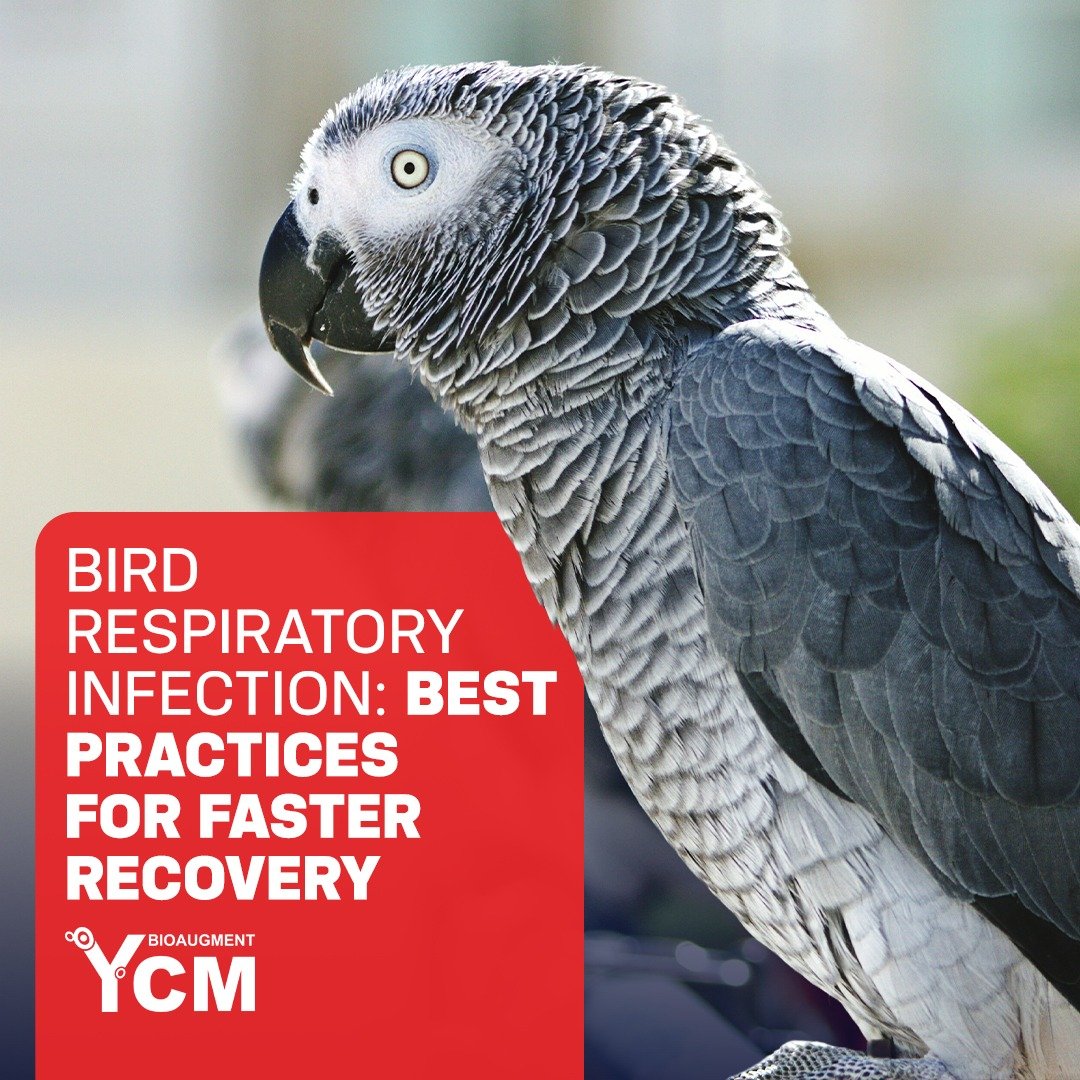
Respiratory infections are among the most common and costly health challenges in poultry production. A bird respiratory infection can quickly spread through a flock, reducing feed intake, slowing growth, increasing mortality, and impacting overall farm profitability. Early detection and the right management strategies are critical for faster recovery and long-term flock health.
This guide outlines proven, practical steps poultry farmers can take to control respiratory infections and support rapid recovery.
What Is a Bird Respiratory Infection?
Bird respiratory infections affect the upper and lower respiratory tract and are commonly caused by:
-
Bacteria (Mycoplasma, E. coli)
-
Viruses (IB, ND, AI)
-
Poor air quality or ammonia buildup
-
Stress, overcrowding, or temperature fluctuations
Common Symptoms
-
Sneezing and coughing
-
Nasal discharge
-
Swollen sinuses or eyes
-
Open-mouth breathing
-
Reduced feed and water intake
-
Drop in weight gain and egg production
Early action is essential to prevent flock-wide outbreaks.
1. Improve Air Quality Immediately
Poor ventilation worsens respiratory issues.
Best practices:
-
Reduce ammonia levels below 20 ppm
-
Improve airflow without chilling birds
-
Keep litter dry to limit pathogen growth
-
Avoid dust accumulation
Clean air reduces irritation and allows birds to breathe and recover more efficiently.
2. Reduce Stress to Speed Recovery
Stress weakens immunity and slows healing.
Key stress-reduction steps:
-
Maintain stable temperature and humidity
-
Avoid sudden feed or lighting changes
-
Prevent overcrowding
-
Minimize handling during illness
Lower stress helps birds redirect energy toward immune response and tissue repair.
3. Support Gut Health to Strengthen Immunity
There is a strong gut-lung connection in poultry. When gut health improves, respiratory recovery accelerates.
Nutritional strategies:
-
Use postbiotics to stabilize gut microbiota
-
Improve nutrient absorption
-
Reduce inflammatory responses
-
Enhance natural immune signaling
Better digestion means more nutrients are available for immune defense instead of waste.
4. Optimize Feeding During Infection
Birds eat less during illness, so nutrient density matters.
Feed management tips:
-
Maintain balanced protein and energy levels
-
Avoid moldy or dusty feed
-
Ensure constant access to clean water
-
Support feed efficiency to prevent weight loss
Highly digestible diets support faster return to normal growth.
5. Strengthen Natural Immunity for Long-Term Protection
Repeated respiratory infections often indicate weakened immunity.
Focus on prevention:
-
Maintain consistent biosecurity
-
Improve gut and respiratory resilience
-
Support antioxidant balance
-
Reduce reliance on routine antibiotics
Healthy birds recover faster and are less likely to relapse.
Why Nutritional Support Matters
Modern poultry management focuses on prevention through nutrition, not just treatment. Supporting the bird internally improves resilience against respiratory pathogens and shortens recovery time.
Postbiotic-based nutrition programs are increasingly used to:
-
Improve immune readiness
-
Reduce inflammation
-
Support faster post-infection recovery
-
Improve overall flock performance
Managing a bird respiratory infection requires more than treatment alone. Clean air, reduced stress, targeted nutrition, and immune support work together to restore flock health quickly and sustainably. Farms that prioritize prevention recover faster and maintain higher productivity year-round.
Want faster recovery and stronger respiratory resilience in your poultry flock?
Explore how postbiotic nutrition solutions like YCM (Yeast Culture Metabolites) can support gut health, strengthen immunity, and reduce respiratory stress naturally.
Contact us today to learn how YCM can help your birds recover faster and perform better.