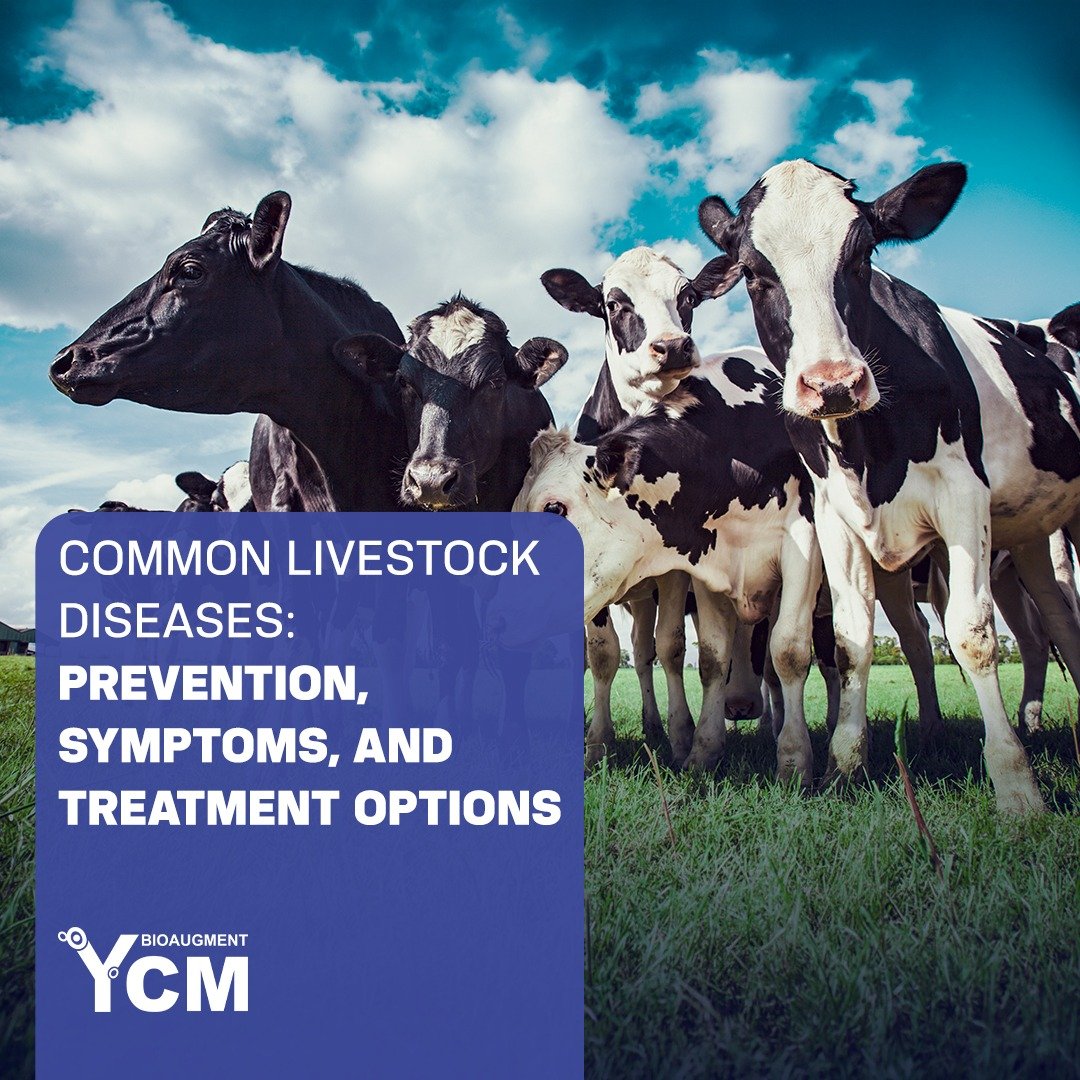
Livestock health is the backbone of profitable and sustainable animal farming. In the United States, diseases in cattle, poultry, small ruminants, and other farm animals cost producers billions each year through reduced productivity, treatment expenses, and mortality. Understanding common livestock diseases, recognizing early symptoms, and applying effective prevention strategies can dramatically improve herd performance and long-term farm success.
This guide covers the most common livestock diseases, how to identify them, and proven prevention and treatment approaches used by modern farms.
Why Disease Prevention Matters in Livestock Farming
Disease outbreaks don’t just affect animal health—they impact:
-
Feed efficiency and growth rates
-
Milk, meat, and egg production
-
Antibiotic usage and residue risks
-
Overall farm profitability
Preventive management is always more cost-effective than reactive treatment.
1. Mastitis (Dairy Cattle)
Symptoms
-
Swollen or painful udder
-
Reduced milk yield
-
Clots or watery milk
-
Elevated somatic cell count (SCC)
Prevention
-
Proper milking hygiene
-
Clean bedding and dry housing
-
Balanced nutrition to support immunity
Treatment
-
Early veterinary intervention
-
Targeted therapy based on milk culture
-
Nutritional support to reduce inflammation
2. Respiratory Diseases (Cattle & Poultry)
Symptoms
-
Coughing and nasal discharge
-
Rapid or labored breathing
-
Fever and reduced feed intake
Prevention
-
Good ventilation
-
Reduced stocking density
-
Strong gut and immune health through nutrition
Treatment
-
Early diagnosis
-
Supportive care and hydration
-
Stress reduction strategies
3. Parasitic Infections (Goats & Sheep)
Symptoms
-
Weight loss
-
Anemia
-
Diarrhea
-
Poor growth in young animals
Prevention
-
Pasture rotation
-
Strategic deworming programs
-
Nutrition that strengthens gut integrity
Treatment
-
Targeted parasite control
-
Monitoring resistance patterns
-
Supporting recovery with immune-focused feeding
4. Digestive Disorders (Rumen Acidosis, Scours)
Symptoms
-
Loose manure
-
Reduced feed intake
-
Bloating or lethargy
Prevention
-
Balanced rations
-
Consistent feeding schedules
-
Support for rumen microbiota
Treatment
-
Diet correction
-
Electrolytes and gut-supporting nutrition
-
Gradual ration adjustments
5. Foot and Lameness Issues
Symptoms
-
Limping
-
Reduced movement
-
Swollen joints or hooves
Prevention
-
Dry, clean flooring
-
Regular hoof trimming
-
Proper mineral balance
Treatment
-
Early hoof care
-
Anti-inflammatory support
-
Improved housing conditions
6. Heat Stress–Related Illness
Symptoms
-
Panting
-
Reduced milk or weight gain
-
Increased water intake
Prevention
-
Shade and cooling systems
-
Electrolyte balance
-
Feeding strategies during cooler hours
Treatment
-
Immediate cooling
-
Hydration support
-
Reducing environmental stressors
7. Immune Suppression Disorders
Symptoms
-
Frequent illness
-
Slow recovery
-
Poor production response
Prevention
-
Gut health–focused nutrition
-
Reduced stress
-
Consistent management practices
Treatment
-
Identify underlying stressors
-
Improve diet quality
-
Support natural immune response
Final Thoughts: Health Starts with Prevention
Modern livestock disease management is no longer just about treatment. it’s about prevention through nutrition, management, and gut health support. Farms that invest in proactive health strategies see better productivity, lower treatment costs, and stronger animal welfare outcomes.
Looking to reduce disease pressure and improve livestock performance naturally?
Explore advanced nutrition strategies that support gut health, immunity, and productivity across all species. Smarter feeding today leads to healthier herds tomorrow.