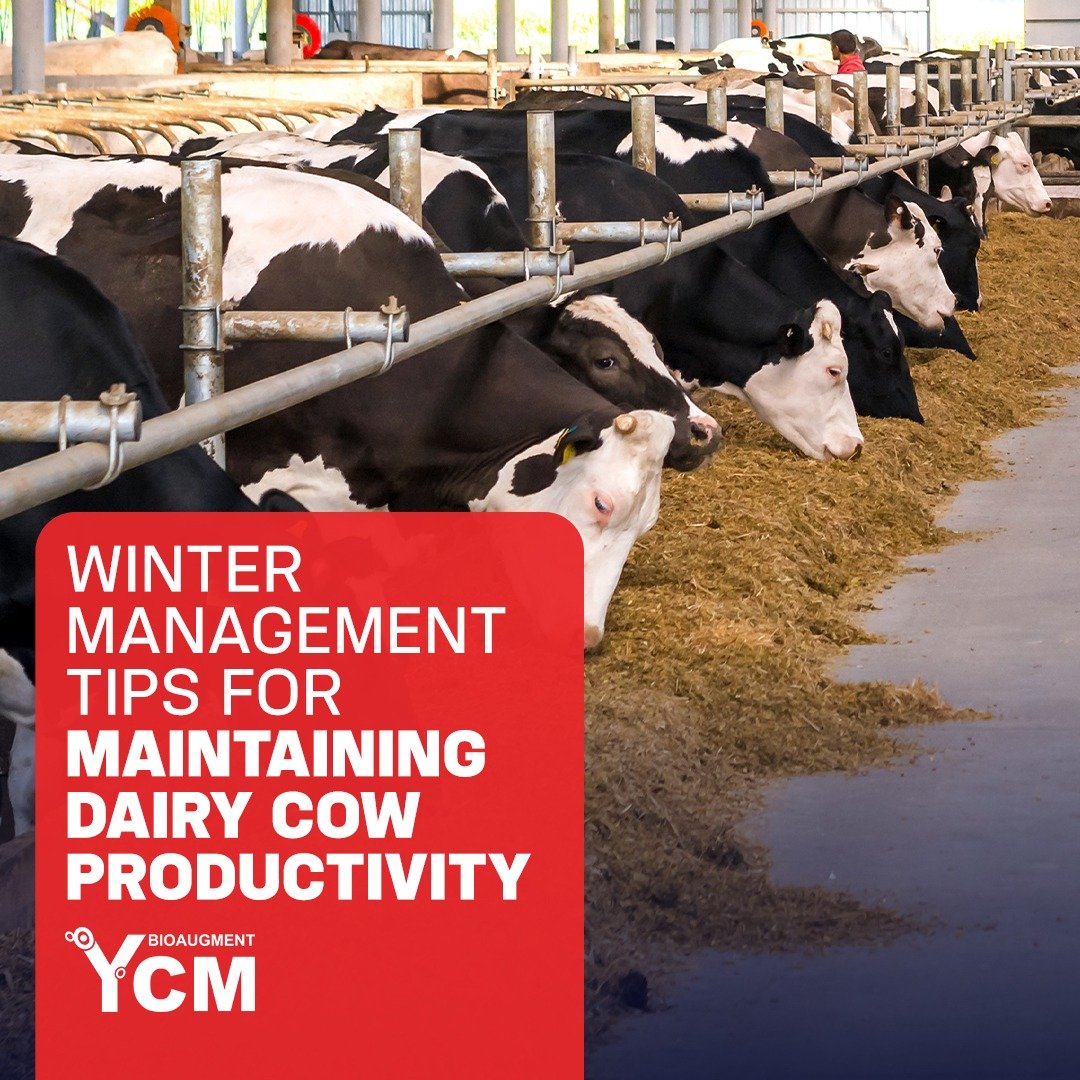

Heat stress is one of the most underestimated challenges facing beef cattle operations in the United States. As summer temperatures rise, cattle experience reduced feed intake, slower weight gain, compromised immunity, and higher health risks. The good news is that managing heat stress in beef cattle does not require expensive infrastructure. With smart, low-cost strategies, producers can protect performance and profitability.
This guide shares 10 practical, budget-friendly cooling ideas that work across feedlots, pasture-based systems, and small to mid-sized beef operations.
Understanding Heat Stress in Beef Cattle
Heat stress occurs when cattle cannot effectively regulate body temperature due to high ambient temperature, humidity, solar radiation, and low airflow. Beef cattle are especially vulnerable when the Temperature-Humidity Index (THI) exceeds safe limits.
Common Signs of Heat Stress
-
Rapid or open-mouth breathing
-
Reduced feed intake
-
Crowding near water sources
-
Lethargy and poor movement
-
Increased risk of digestive upset and illness
Early intervention is critical to avoid production losses.
10 Low-Cost Cooling Ideas for Beef Cattle
1. Improve Access to Clean, Cool Water
Water intake can double during heat stress.
-
Ensure multiple water points
-
Clean troughs regularly
-
Shade water sources to keep temperatures lower
Even a small drop in water temperature encourages higher intake.
2. Provide Natural or Artificial Shade
Shade reduces heat load by up to 30–50%.
-
Trees, shade cloths, or simple metal roofs
-
Moveable shade structures for rotational grazing
-
Focus shade near feeding and resting areas
3. Adjust Feeding Times
Cattle generate internal heat during digestion.
-
Feed early morning or late evening
-
Avoid mid-day feeding during peak heat
-
Split rations to reduce metabolic heat load
4. Reduce Stocking Density
Overcrowding restricts airflow and increases body heat.
-
Allow adequate space in pens
-
Prevent cattle from bunching
-
Improve air circulation naturally
This is especially important in feedlots during heat waves.
5. Improve Pen and Pasture Airflow
Air movement is a powerful cooling tool.
-
Remove wind barriers in summer
-
Use strategic pen orientation
-
Trim overgrown vegetation blocking airflow
Even natural breezes significantly reduce heat stress.
6. Keep Pens Dry and Well-Drained
Wet, muddy pens increase humidity and heat retention.
-
Repair drainage issues
-
Maintain dry bedding
-
Avoid water overflow near resting areas
Dry ground helps cattle dissipate heat more efficiently.
7. Minimize Handling During Hot Periods
Handling raises body temperature quickly.
-
Schedule processing early morning
-
Avoid transport during peak heat
-
Reduce unnecessary movement
Stress + heat is a dangerous combination.
8. Support Gut Health to Improve Heat Tolerance
Heat stress disrupts rumen function and digestion, reducing feed efficiency.
-
Support rumen stability
-
Maintain microbial balance
-
Improve nutrient utilization
Postbiotic nutrition, such as YCM (Yeast Culture Metabolites), helps cattle maintain digestive efficiency and immune resilience during heat stress.
9. Use Light-Colored Ground Surfaces Where Possible
Dark soil and surfaces absorb more heat.
-
Add light gravel or sand in high-traffic areas
-
Reduce heat reflection onto cattle
This simple change lowers radiant heat load.
10. Monitor Cattle Closely During Heat Waves
Observation is one of the most cost-effective tools.
-
Watch respiration rates
-
Identify early signs of distress
-
Act quickly when conditions worsen
Proactive management saves animals and performance.
Why Heat Stress Management Impacts Beef Profitability
Unchecked heat stress leads to:
-
Lower average daily gain (ADG)
-
Reduced feed efficiency
-
Higher veterinary costs
-
Increased mortality risk
By combining environmental management with nutritional support, producers can maintain growth, health, and profitability even during extreme summer conditions.
Final Thoughts
Heat stress in beef cattle is unavoidable, but heavy losses are not. These low-cost cooling ideas prove that smart management, timing, and nutritional support can dramatically reduce heat-related risks without major investments.
Looking to strengthen gut health and resilience in beef cattle during heat stress?
Discover how YCM (Yeast Culture Metabolites) supports rumen function, feed efficiency, and immune strength when cattle need it most.
Contact us today to learn how YCM fits into your summer beef nutrition strategy.