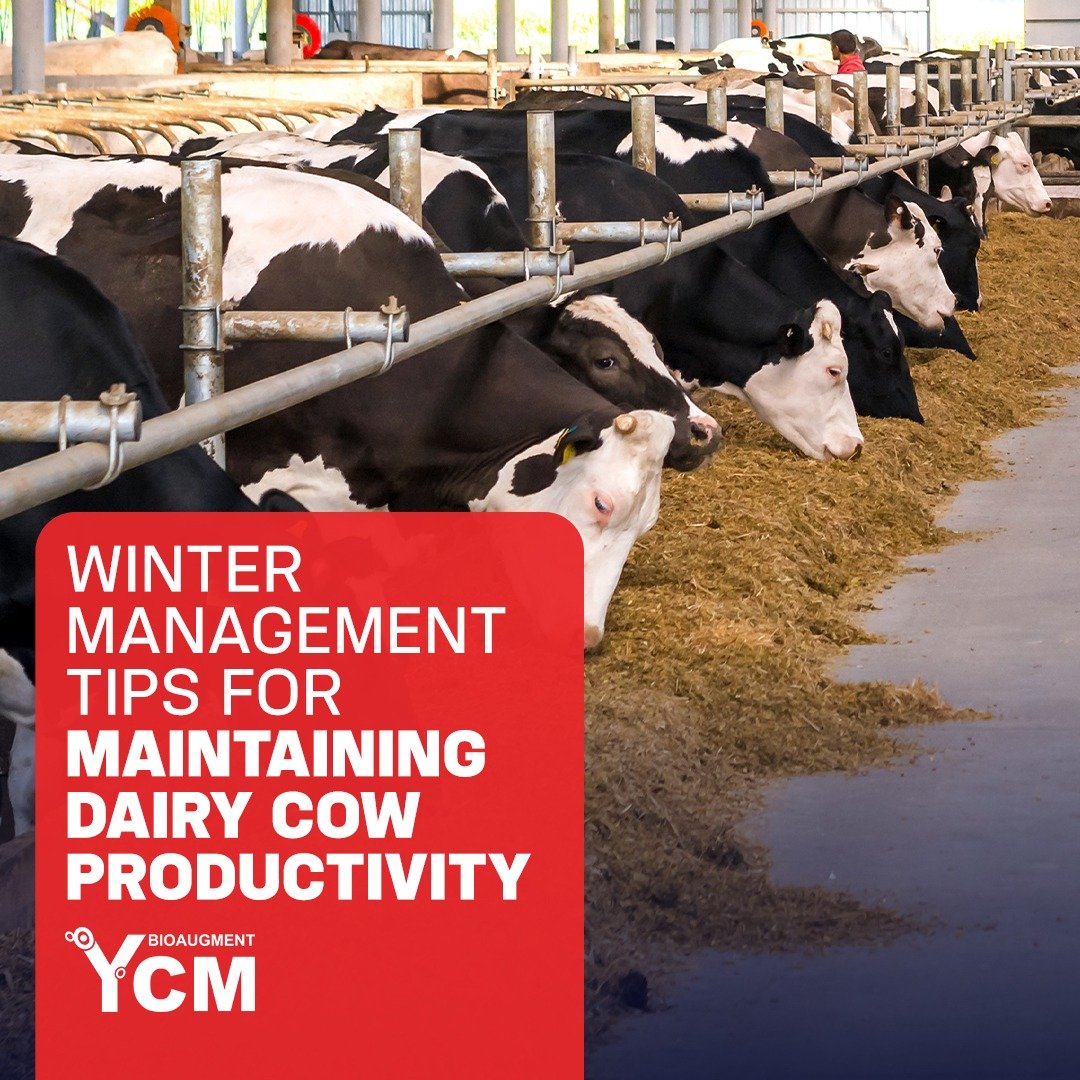
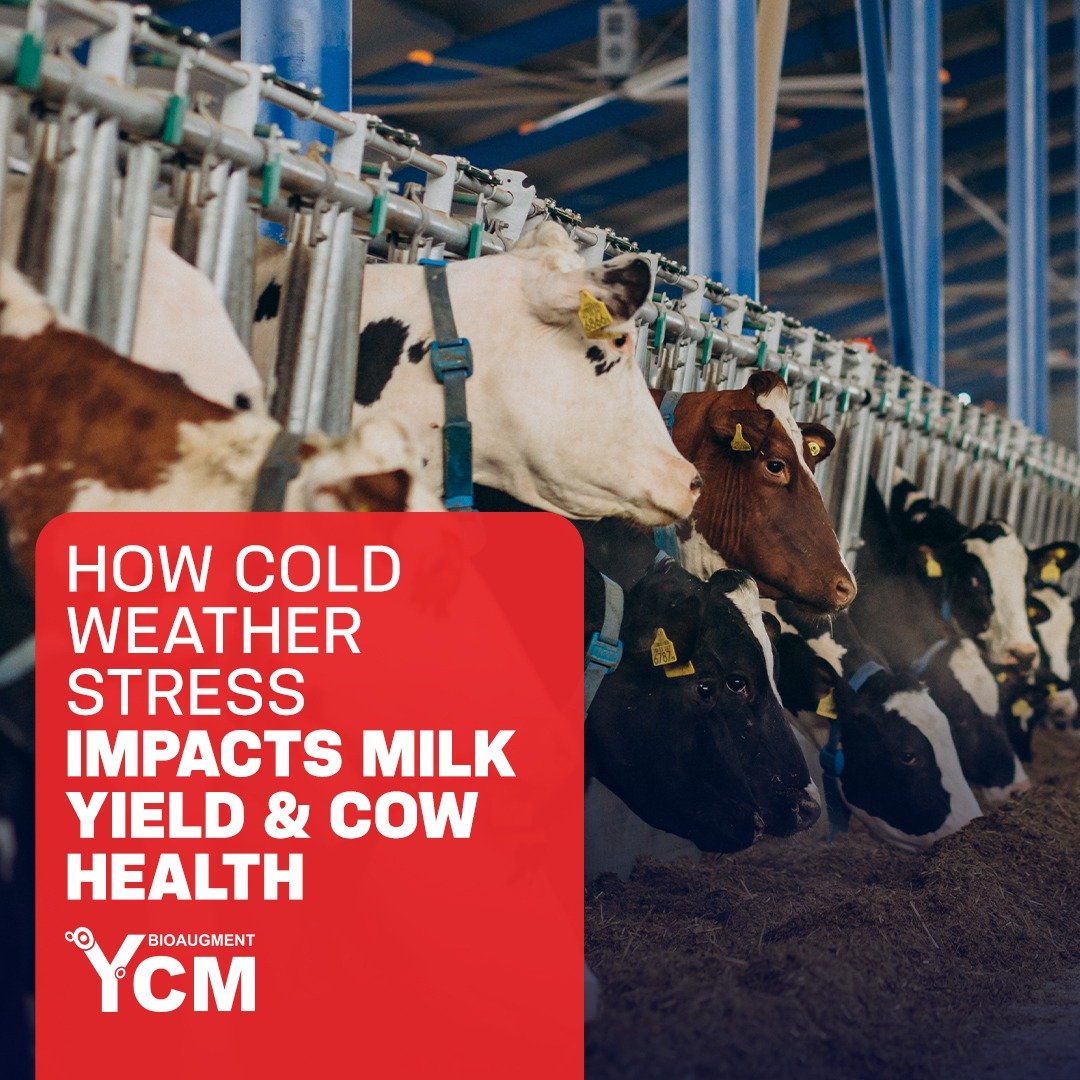
Cold weather stress is an often-overlooked challenge in U.S. dairy operations, particularly in northern and Midwest regions. While dairy cows tolerate cold better than heat, prolonged exposure to low temperatures, wind, and moisture can significantly affect milk yield, feed efficiency, and overall cow health. Understanding how cold stress impacts cows and how to manage it effectively is essential for maintaining production and animal welfare during winter months.
What Is Cold Weather Stress in Dairy Cows?
Cold stress occurs when environmental temperatures fall below a cow’s lower critical temperature, forcing her to use additional energy to maintain body heat. For most dairy cows, this threshold ranges from 32°F to 41°F, depending on coat condition, wind exposure, and moisture.
When cows divert energy toward staying warm, less energy is available for milk production, reproduction, and immune function.
Effects of Cold Stress on Milk Yield
Cold weather stress can directly reduce milk output through several mechanisms:
-
Increased energy requirements to maintain body temperature
-
Lower feed efficiency, especially if rations are not adjusted
-
Reduced rumen fermentation efficiency under stress conditions
-
Higher maintenance needs, leaving less energy for lactation
Without proper nutritional and environmental support, milk yield can decline steadily throughout the winter.
Impact on Cow Health and Immunity
Cold stress doesn’t just affect production, it also compromises health:
Weakened Immune Response
Energy deficits reduce immune cell activity, increasing the risk of:
-
Mastitis
-
Respiratory infections
-
Metabolic disorders
Increased Lameness Risk
Wet, icy conditions soften hooves and increase the likelihood of slips, injuries, and hoof infections.
Reproductive Challenges
Cold-stressed cows often experience:
-
Poor body condition
-
Delayed estrus
-
Lower conception rates
Nutritional Strategies to Reduce Cold Stress
Proper winter nutrition is one of the most effective tools for minimizing cold weather impact:
-
Increase energy density of the ration
-
Support rumen efficiency to maximize feed utilization
-
Maintain consistent feed access to prevent intake drops
-
Include nutrients that support gut health and immune function
A well-balanced diet helps cows convert feed into heat and milk more efficiently.
Housing and Management Best Practices
Environmental management plays a critical role in reducing cold stress:
-
Provide windbreaks and dry bedding
-
Ensure adequate ventilation without drafts
-
Minimize moisture buildup in barns
-
Keep water sources unfrozen and easily accessible
Comfortable cows eat more, stay healthier, and produce more milk.
Final Takeaway
Cold weather stress can quietly erode milk yield and cow health if left unmanaged. By combining proper nutrition, effective housing, and proactive management, dairy producers can protect production levels and animal welfare throughout the winter season.
Want to keep milk production steady and cows healthy during cold weather?
Explore advanced nutritional strategies that support rumen function, immunity, and energy efficiency even under winter stress.