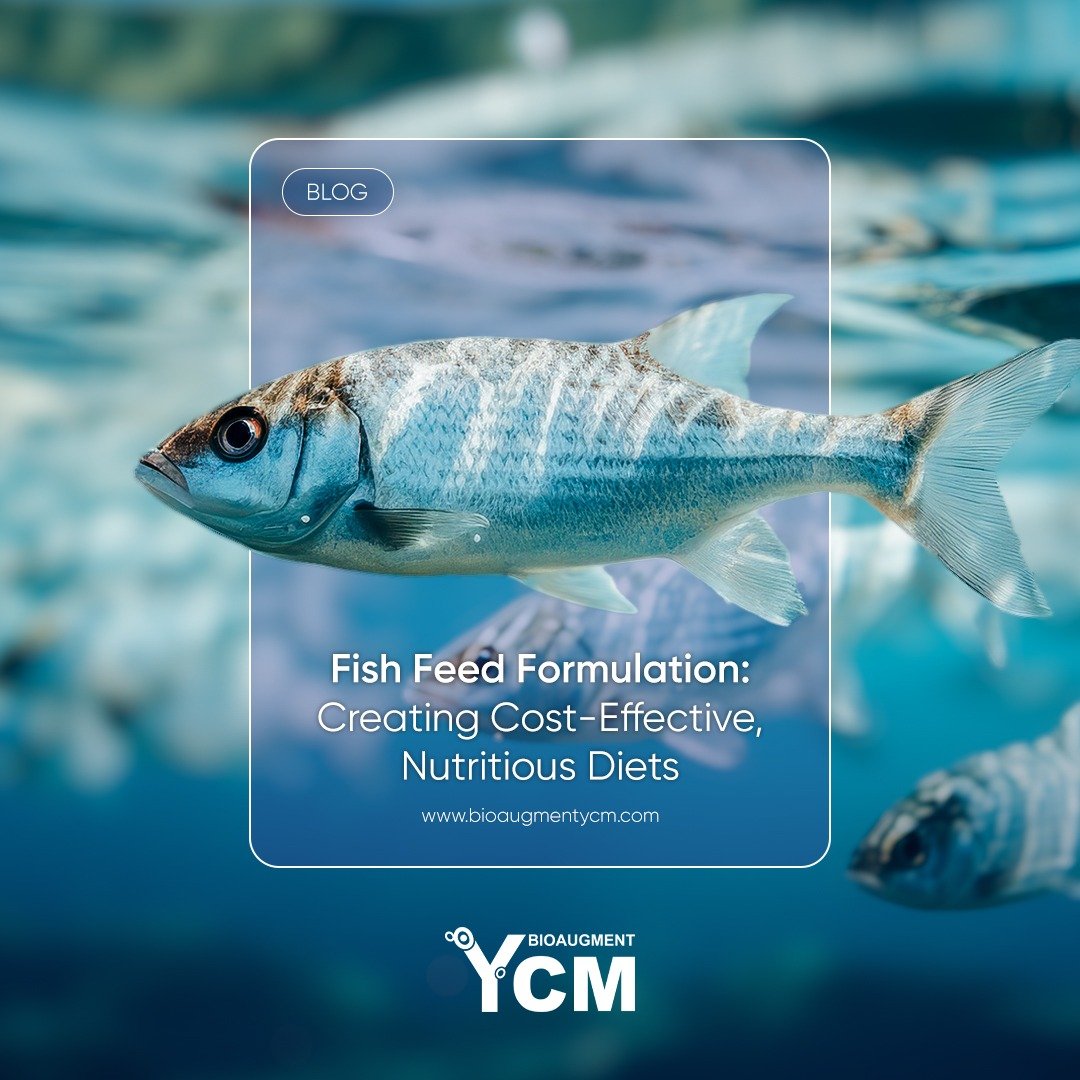
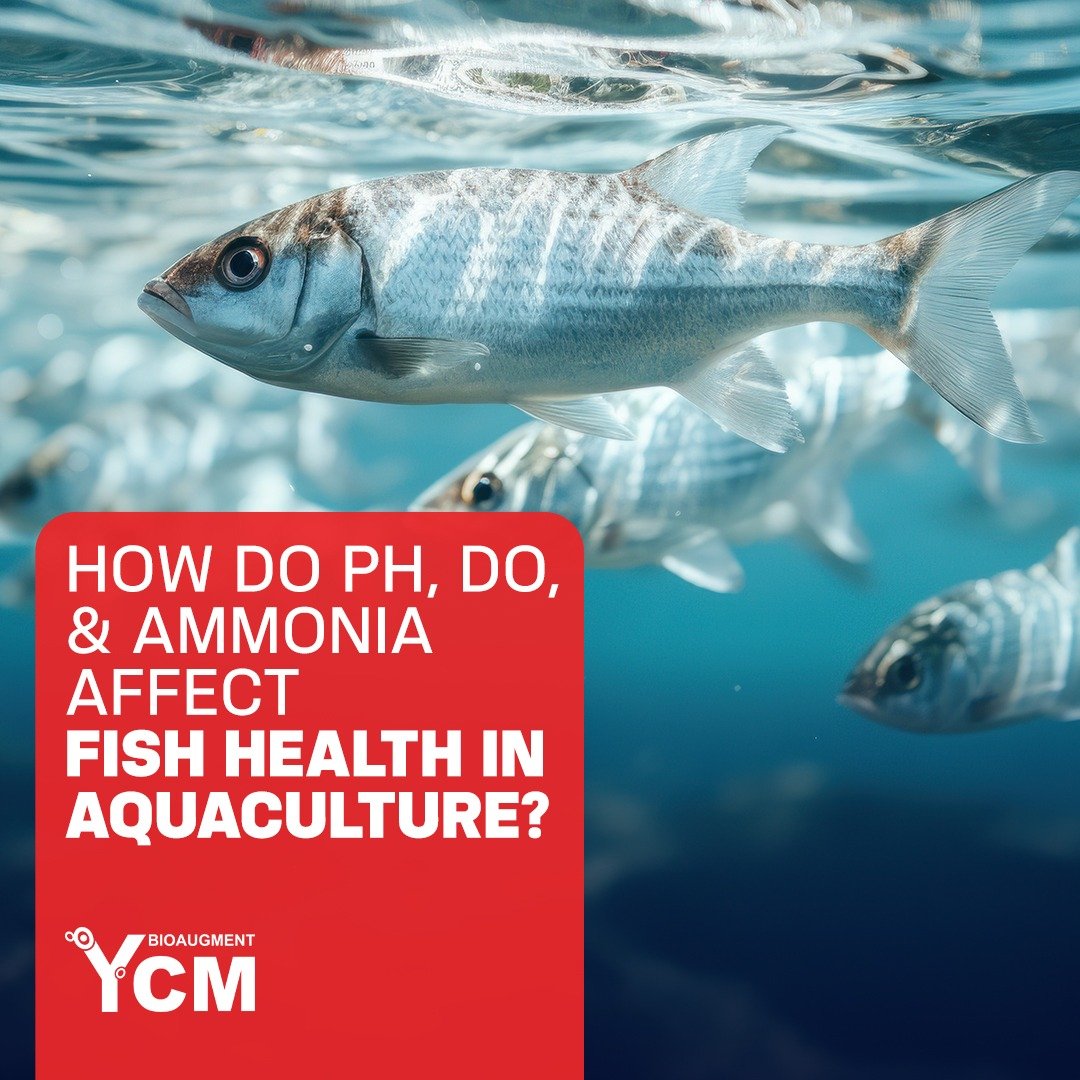
Water quality is the backbone of successful aquaculture. Among all parameters, pH, dissolved oxygen (DO), and ammonia have the most direct and immediate impact on fish health, growth, and survival. Even slight fluctuations in these indicators can stress fish, weaken immunity, and reduce feed efficiency.
Whether you’re raising tilapia, catfish, shrimp, trout, or carp, understanding how these factors interact will help you maintain stable conditions and achieve stronger production outcomes.
Why These Three Parameters Matter Most
Fish live in a delicate balance. Any shift in pH, oxygen, or ammonia affects:
-
Feed intake
-
Metabolism
-
Immunity
-
Growth rate
-
Survival
-
FCR (Feed Conversion Ratio)
Poor water quality forces fish to use energy for survival, not growth — reducing overall profitability.
1. pH and Fish Health
Ideal pH Range: 6.8 – 8.2
pH affects every metabolic and physiological process in fish. Extreme pH levels cause immediate stress and long-term damage.
💡 What happens when pH is too low (acidic)?
-
Gill irritation
-
Reduced oxygen uptake
-
Slow growth
-
Increased disease susceptibility
💡 What happens when pH is too high (alkaline)?
-
Ammonia becomes more toxic
-
Skin and gill burns
-
Appetite loss
-
Poor survival in fingerlings
✔ How to stabilize pH
-
Maintain alkalinity above 80–150 mg/L
-
Avoid sudden water exchanges
-
Prevent over-fertilization
-
Use lime when pH consistently drops
2. Dissolved Oxygen (DO): The Life Support of Aquaculture
Ideal DO Range: 5–8 mg/L
DO is the most critical daily survival factor. Fish require oxygen for:
-
Respiration
-
Digestion
-
Immune activity
-
Stress management
When DO falls too low (<3 mg/L)
Fish experience:
-
Surface gasping
-
Slow growth
-
Reduced feed intake
-
Sudden mortality
How to maintain DO
-
Use aerators (paddlewheel, diffusers)
-
Improve water circulation
-
Reduce feeding during early morning low-DO periods
-
Control algae blooms to prevent nighttime oxygen crashes
3. Ammonia: The Silent Killer
Safe Level: 0–0.5 mg/L
Ammonia builds up from:
-
Fish waste
-
Uneaten feed
-
Decomposing organic matter
-
Overstocking
There are two forms of ammonia and the toxic one increases with high pH and high temperature.
Effects of high ammonia
-
Gill damage
-
Reduces oxygen-carrying capacity of blood
-
Appetite loss
-
Susceptibility to bacterial diseases
-
Sudden mortality in fry
How to control ammonia
-
Improve aeration
-
Reduce feeding during spikes
-
Increase water exchange
-
Strengthen biofiltration in RAS
-
Siphon pond bottoms regularly
How pH, DO, and Ammonia Interact
These parameters don’t act alone — they influence each other:
-
Low DO → more ammonia buildup
-
High pH → ammonia becomes more toxic
-
High ammonia → fish struggle to utilize oxygen
This is why daily monitoring is essential.
The Role of Postbiotics (YCM) in Improving Water Conditions
Postbiotics like YCM (Yeast Culture Metabolites) support better water quality through:
-
Improved digestion → less waste
-
Lower ammonia excretion
-
Better immunity and stress resistance
-
Higher feed conversion efficiency
Fish remain healthier even under fluctuating water conditions.
Daily Water Quality Checklist for Farmers
-
Test pH morning & evening
-
Check DO before sunrise
-
Monitor ammonia after feeding
-
Clean pond bottoms regularly
-
Adjust feed based on water condition trends
-
Keep aeration systems maintained
Conclusion
Maintaining ideal pH, DO, and ammonia levels is the foundation of healthy, profitable aquaculture. By understanding how these parameters affect fish biology and keeping them within safe ranges farmers can reduce mortality, improve growth, and ensure sustainable production.