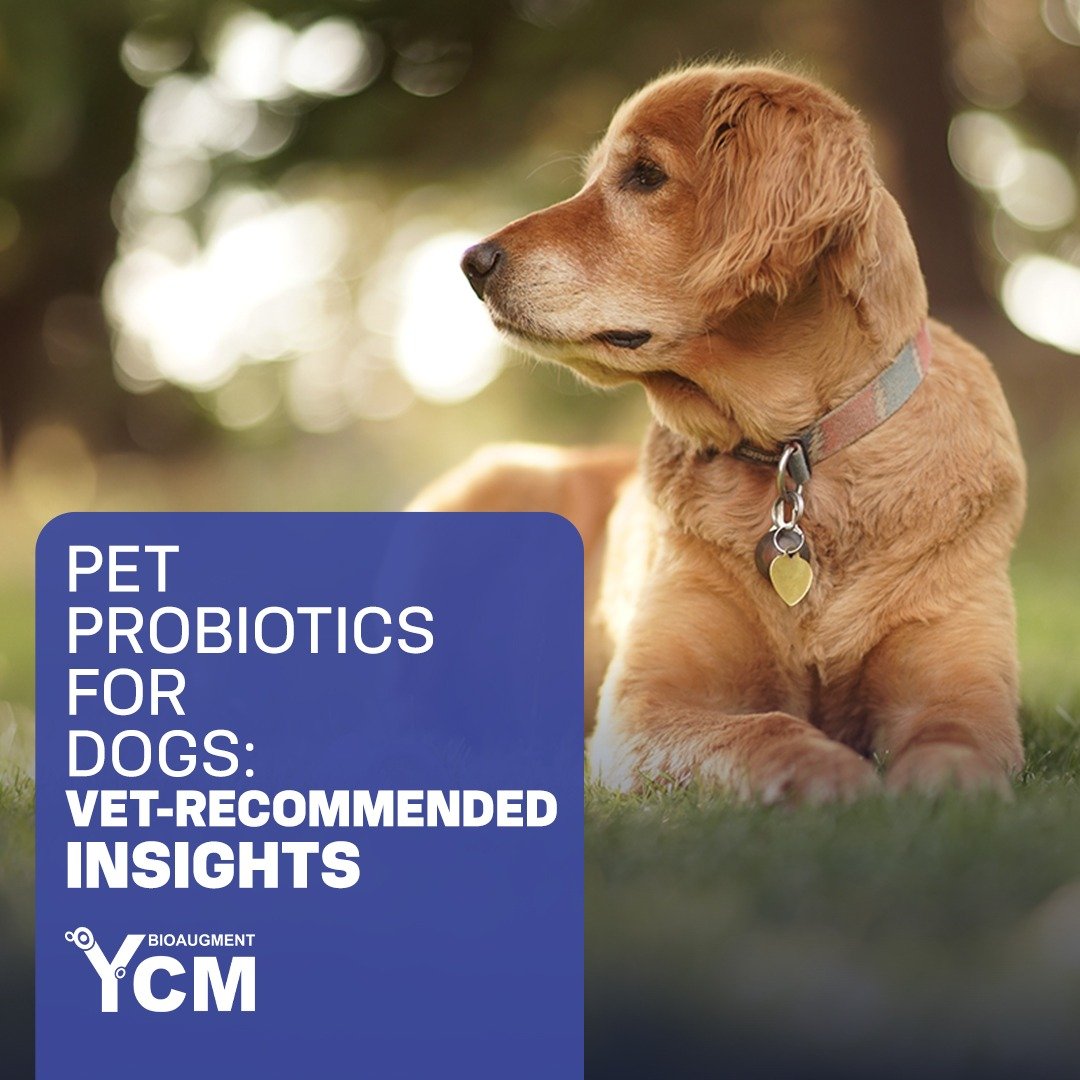
Digestive health is the foundation of a dog’s overall wellbeing. From nutrient absorption and immune defense to coat quality and energy levels, a healthy gut plays a central role. That’s why pet probiotics for dogs are increasingly recommended by veterinarians as a daily nutrition strategy rather than a short-term fix.
This article breaks down how probiotics work in dogs, when they are needed, what vets recommend, and how advanced postbiotic solutions like YCM (Yeast Culture Metabolites) fit into modern pet nutrition.
Why Gut Health Matters in Dogs
A dog’s gastrointestinal tract is home to trillions of beneficial microbes that support:
-
Efficient digestion and nutrient uptake
-
Immune system regulation
-
Protection against harmful bacteria
-
Reduced inflammation and gut stress
Disruptions caused by stress, antibiotics, dietary changes, aging, or illness can upset this balance, leading to digestive and systemic issues.
What Are Pet Probiotics for Dogs?
Pet probiotics for dogs are beneficial microorganisms added to the diet to help restore and maintain a healthy gut microbiome.
Common Vet-Recommended Probiotic Strains
-
Lactobacillus species – support digestion and stool consistency
-
Bifidobacterium species – help reduce gut inflammation
-
Enterococcus species – aid microbial balance during stress
While probiotics introduce live bacteria, their effectiveness depends on survival through the digestive tract, which is not always guaranteed.
When Do Dogs Need Probiotics the Most?
Veterinarians often recommend pet probiotics for dogs in situations such as:
-
Diarrhea or loose stools
-
Antibiotic use
-
Sudden diet transitions
-
Food sensitivities or allergies
-
Stress (travel, boarding, weaning)
-
Aging or weakened immunity
In these cases, restoring microbial balance can significantly improve comfort and recovery.
Beyond Probiotics: The Rise of Postbiotics in Pet Nutrition
Modern veterinary nutrition is moving beyond live bacteria alone.
Postbiotics like Yeast Culture Metabolites (YCM) are bioactive compounds produced during fermentation. They offer consistent benefits without relying on live microbes.
Key Advantages of Postbiotics:
-
Stable and effective in all feed conditions
-
Support beneficial gut bacteria already present
-
Enhance immune signaling in the gut
-
Improve nutrient utilization and gut barrier integrity
How YCM Supports Dog Gut Health Naturally
YCM (Yeast Culture Metabolites) provides functional compounds that work at the microbiota level to support digestive and immune health in dogs.
Benefits of YCM in Pet Diets:
-
Encourages growth of beneficial gut microbes
-
Helps maintain healthy stool quality
-
Supports immune resilience during stress
-
Improves overall digestive efficiency
Unlike traditional probiotics, YCM works with the dog’s existing microbiome, making it ideal for long-term gut health management.
How to Choose the Right Gut Health Solution for Dogs
When selecting pet probiotics or gut health supplements, vets recommend looking for:
-
Proven digestive and immune support
-
Stability across storage and feeding conditions
-
Compatibility with daily diets
-
Evidence-based functional ingredients
This is why postbiotic solutions like YCM are becoming an essential part of advanced pet nutrition programs.
Final Thoughts: A Smarter Approach to Canine Gut Health
Pet probiotics for dogs remain an important tool, but gut health success today relies on more than just adding bacteria. Supporting the entire digestive ecosystem with functional metabolites delivers more consistent, reliable results.