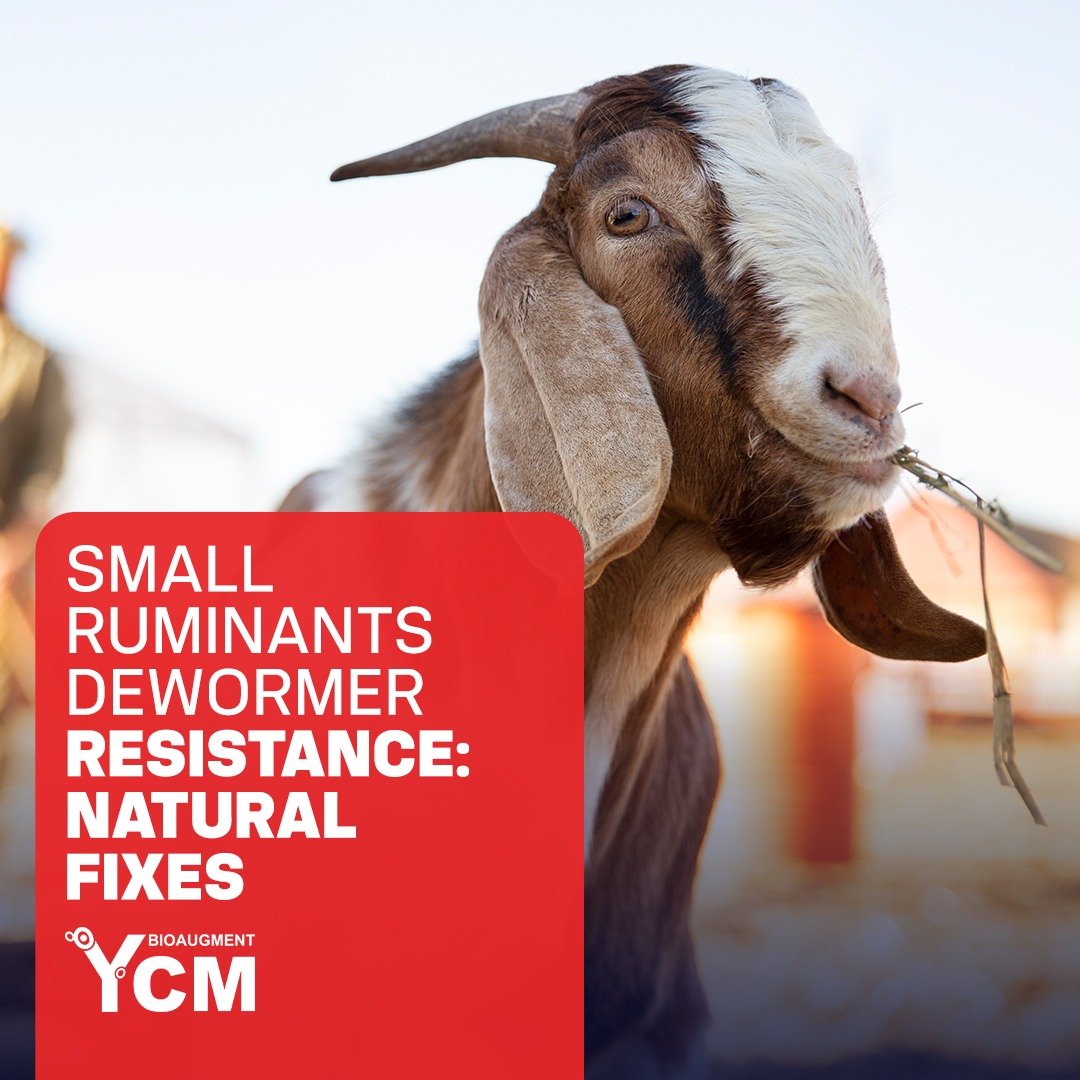
Internal parasites remain one of the most costly health challenges on U.S. goat and sheep farms. But today, a growing concern is making the problem worse: dewormer resistance in goats. Traditional anthelmintics are losing their effectiveness, leading to higher mortality, reduced weight gain, and lower milk production in dairy goats.
The good news? Natural and management-based strategies can significantly slow resistance and strengthen herd immunity without relying solely on chemicals.
Understanding Dewormer Resistance in Goats
Dewormer resistance happens when parasites, especially Haemonchus contortus (barber pole worm), adapt and survive standard treatments. Over time, dewormers fail to kill them, making outbreaks harder to control.
Major causes of resistance include:
-
Frequent blanket deworming
-
Underdosing
-
Using the same drug class repeatedly
-
Poor pasture rotation
-
Exposing goats to heavily contaminated grazing areas
Once resistance appears on a farm, reversing it is nearly impossible but managing it is 100% achievable.
1. Adopt FAMACHA Scoring Instead of Whole-Herd Deworming
The most effective natural fix starts with targeted treatment.
FAMACHA scoring allows farmers to check anemia levels caused by barber pole worms and treat only the animals that truly need deworming.
Benefits:
-
Reduces drug use
-
Slows the development of resistance
-
Keeps natural parasite immunity strong
-
Saves money on unnecessary treatments
Selective treatment = long-term parasite control.
2. Rotate Pastures to Break the Worm Life Cycle
Gastrointestinal worms thrive in overgrazed pastures.
Strong pasture rotation:
-
Reduces larval numbers
-
Lowers reinfection rates
-
Improves forage quality
-
Supports weight gain and milk production
For best results, rest pastures for 45–60 days, especially in warm, humid U.S. climates where worm loads peak.
3. Use Natural Supplements to Support Gut Health
A stronger gut = better parasite resilience.
Effective natural options include:
-
Yeast culture metabolites (YCM) to strengthen immunity
-
Herbal blends (garlic, wormwood, clove)
-
Copper boluses (in deficient regions) for barber pole control
-
Prebiotics & postbiotics for stronger GI barrier function
These do not replace dewormers but support the goat’s ability to fight infections.
4. Improve Nutrition for Better Parasite Immunity
Underfed goats are the first to suffer from parasite overload.
Focus on:
-
Adequate protein (14–16% for growing kids)
-
Mineral supplementation—especially copper, selenium, zinc
-
High-quality forage to maintain rumen health
Goats with proper nutrition naturally exhibit lower fecal egg counts.
5. Breed for Parasite-Resistant Genetics
Some breeds are naturally more resilient.
Superior breeds include:
-
Kiko
-
Spanish
-
Myotonic
-
Gulf Coast Native
Even within dairy breeds, selective breeding for low FEC (fecal egg count) goats can dramatically reduce parasite pressure.
6. Maintain Clean Housing and Dry Bedding
Moisture is the enemy.
Dry environments:
-
Reduce worm larvae survival
-
Lower infection pressure
-
Protect young kids, which are most vulnerable
Goats raised in dry, clean quarters have significantly fewer parasite issues.
7. Strategic Deworming — Not Frequent Deworming
When chemical deworming is necessary:
-
Dose by accurate weight
-
Use combination deworming when resistance is suspected
-
Switch drug classes only when needed
-
Never underdose
This slows further resistance and ensures dewormers remain effective when the herd truly needs them.
Dewormer resistance in goats is one of the fastest-growing threats on small ruminant farms in the United States. But with targeted treatment, strong pasture management, gut-health support, and balanced nutrition, farmers can reduce reliance on chemicals and protect herd health naturally.