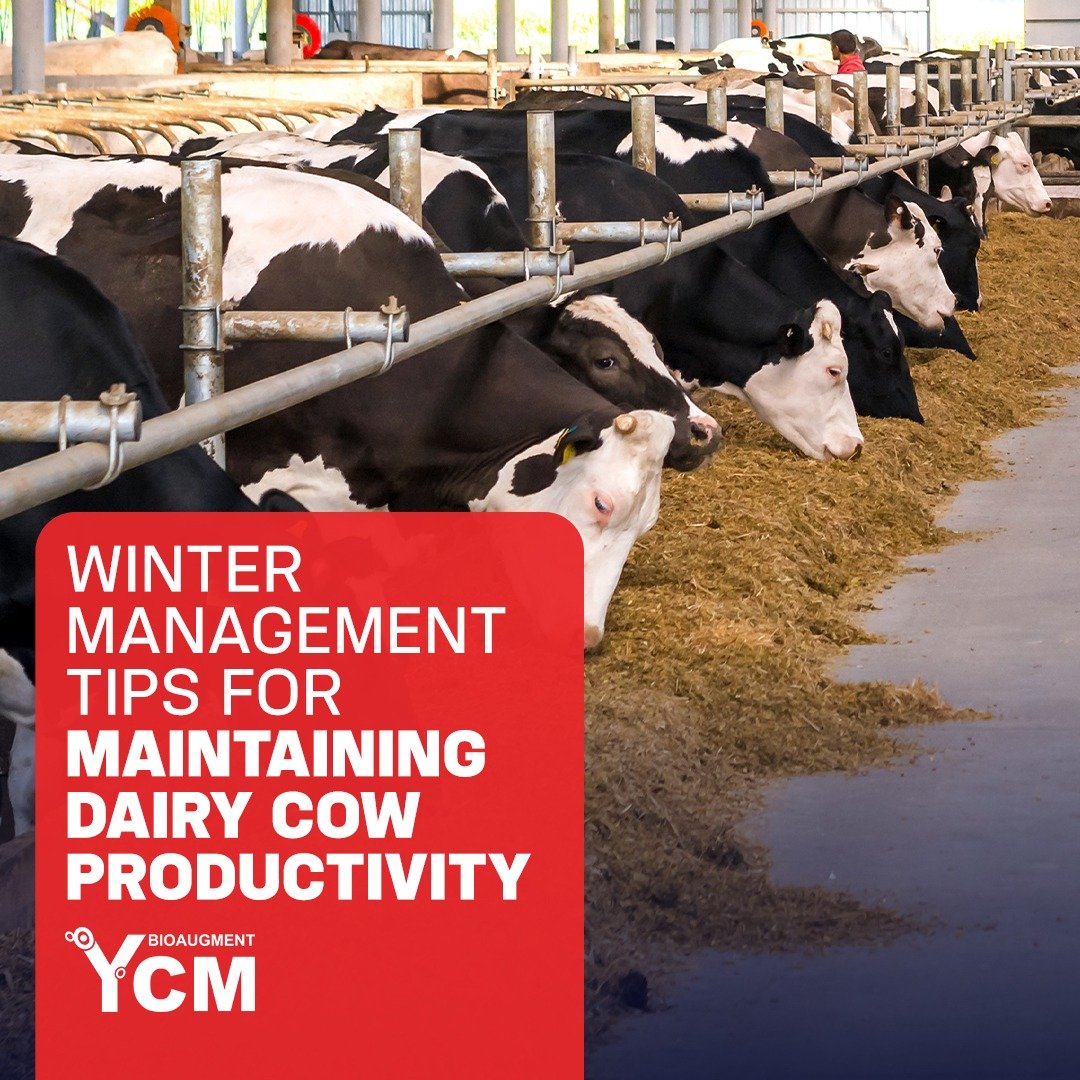
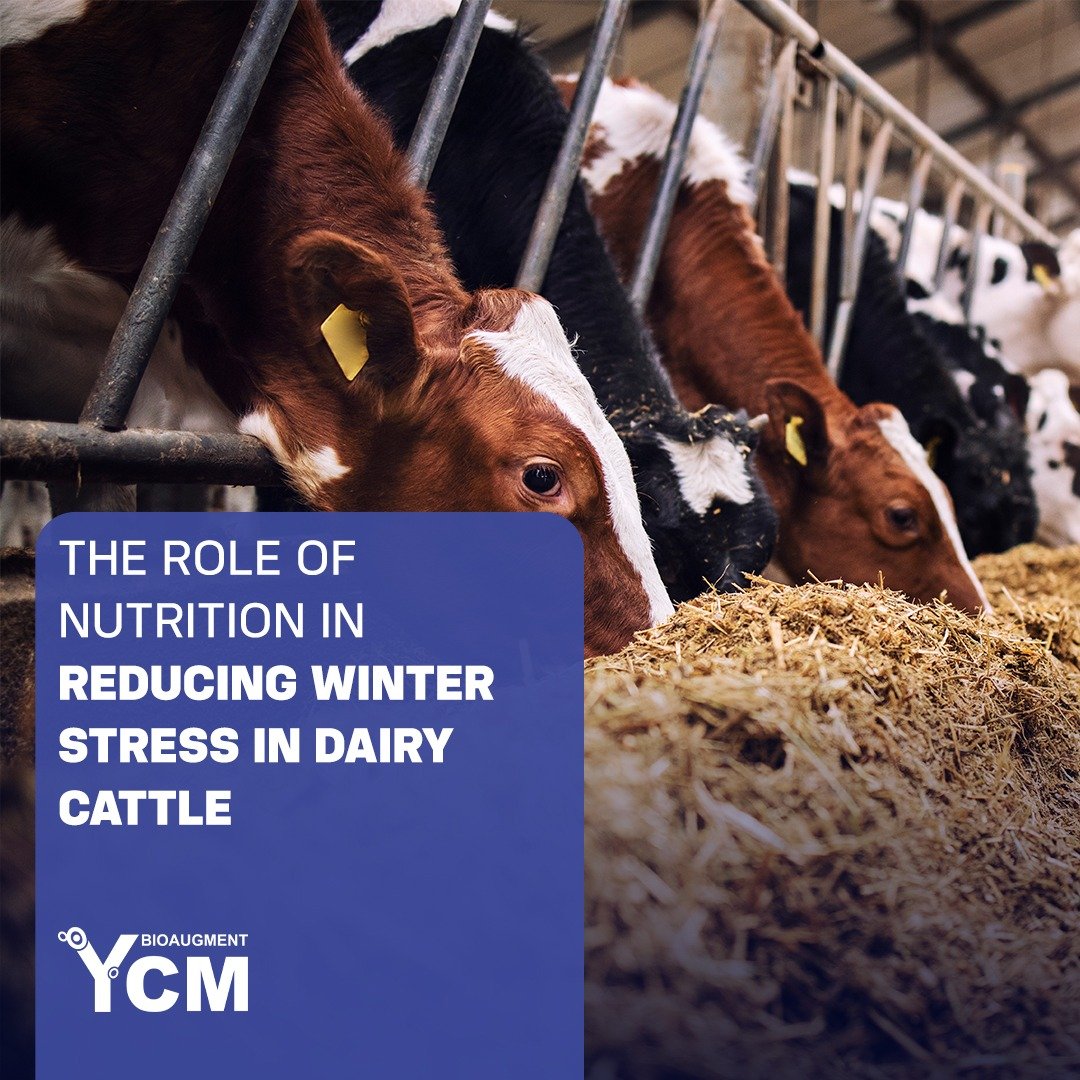
Winter presents unique challenges for dairy farmers across the United States. Cold temperatures, wind, moisture, and shorter daylight hours increase maintenance energy requirements in cows, often leading to reduced milk yield, compromised immunity, and higher health risks. Among all management tools, nutrition plays the most critical role in reducing winter stress in dairy cattle and maintaining consistent performance throughout the cold season.
Understanding Winter Stress in Dairy Cows
When temperatures drop below a cow’s comfort zone, more dietary energy is diverted toward maintaining body heat. If rations are not adjusted, cows experience:
-
Negative energy balance
-
Reduced milk production
-
Increased susceptibility to mastitis and respiratory disease
-
Poor body condition and fertility issues
Proper winter nutrition helps offset these challenges by supporting rumen efficiency, immune function, and metabolic stability.
Energy Density: Fueling Heat and Milk Production
Cold-stressed cows require more energy to maintain core body temperature. Increasing dietary energy without upsetting rumen health is essential.
Best practices include:
-
Optimizing forage-to-concentrate ratios
-
Improving starch and fiber digestibility
-
Avoiding sudden ration changes
Efficient rumen fermentation allows cows to generate internal heat while maintaining milk output.
Rumen Health and Winter Performance
The rumen is the engine of dairy productivity, especially during cold stress. A healthy rumen improves:
-
Volatile fatty acid production for energy
-
Feed conversion efficiency
-
Nutrient absorption during higher intake demands
Disruptions in rumen fermentation during winter can lead to acidosis, reduced intake, and lower milk yield.
Supporting Immunity Through Nutrition
Winter stress suppresses immune response, increasing disease risk. Nutritional strategies should focus on:
-
Antioxidant support to reduce oxidative stress
-
Balanced minerals and vitamins
-
Gut health support to strengthen immune signaling
Strong immunity allows cows to maintain production while resisting seasonal health challenges.
Consistent Intake and Feeding Management
Cold weather can reduce feeding time and water intake. To maintain consistency:
-
Ensure constant feed availability
-
Prevent frozen water sources
-
Feed during warmer parts of the day
Consistent intake supports stable rumen function and sustained milk production.
Winter stress is unavoidable, but its impact on dairy cattle can be significantly reduced through targeted nutritional strategies. By focusing on energy balance, rumen efficiency, and immune support, dairy farmers can protect cow health and maintain productivity throughout the winter months.
Power Winter Performance with YCM
Looking to reduce winter stress without increasing feed costs?
YCM (Yeast Culture Metabolites) supports rumen efficiency, gut health, and immune function helping dairy cows convert winter rations into consistent milk production. Add YCM to your winter feeding program and keep performance strong, even in cold conditions.