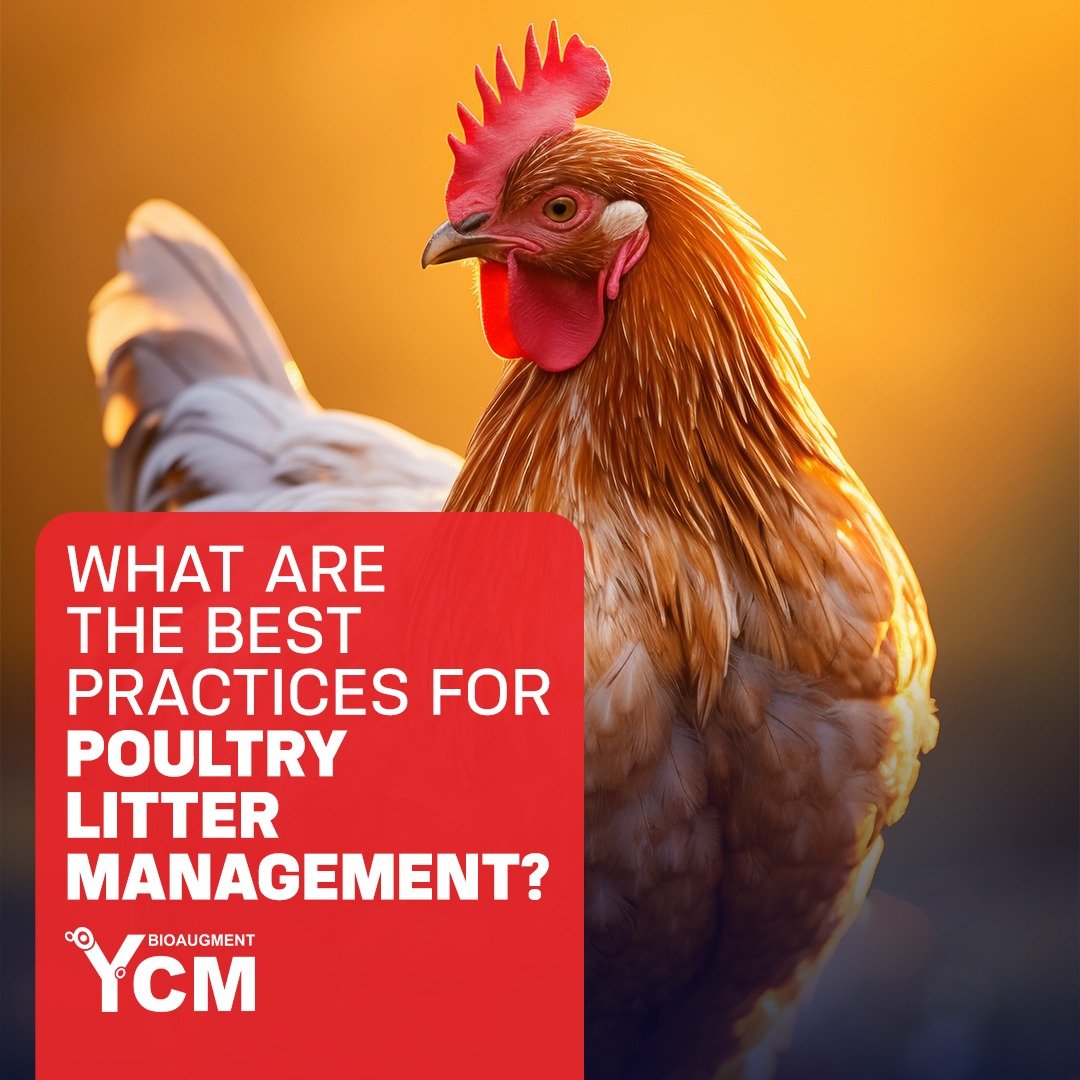
Effective poultry litter management is one of the most overlooked yet critical aspects of successful poultry production. From bird health and performance to ammonia control and biosecurity, how litter is managed directly impacts flock productivity, welfare, and farm profitability.
This guide outlines proven best practices poultry farmers can implement to maintain dry litter, improve air quality, and support healthier birds throughout the production cycle.
Why Poultry Litter Management Matters
Poor litter conditions create the perfect environment for pathogens, high ammonia levels, and footpad dermatitis. Well-managed litter, on the other hand, helps:
-
Reduce respiratory stress in birds
-
Improve feed conversion and weight gain
-
Lower disease pressure
-
Enhance barn air quality
-
Extend litter reuse cycles safely
1. Choose the Right Litter Material
Selecting absorbent, locally available litter material is the first step toward success. Common options include:
-
Wood shavings
-
Rice hulls
-
Chopped straw
-
Peanut hulls
The ideal litter material should be dry, soft, low in dust, and capable of absorbing moisture efficiently.
2. Maintain Proper Litter Depth
Litter depth plays a major role in moisture control and insulation.
Recommended depth:
-
5–8 cm for chicks
-
8–10 cm for growing and finishing birds
Adequate depth helps absorb moisture while protecting birds from cold floors.
3. Control Moisture at the Source
Excess moisture is the root cause of most litter problems. To prevent it:
-
Fix leaking drinkers immediately
-
Adjust drinker height and pressure
-
Prevent water spillage near lines
-
Avoid overcrowding
Target litter moisture should stay below 25% for optimal conditions.
4. Optimize Ventilation for Ammonia Control
Proper ventilation removes excess moisture and ammonia gases from poultry houses. Even during cold weather, minimum ventilation is essential to:
-
Reduce ammonia buildup
-
Improve oxygen availability
-
Prevent respiratory issues
High ammonia levels damage the respiratory tract and reduce growth performance.
5. Regular Litter Turning and Conditioning
Routine litter stirring prevents caking and promotes drying. Use manual tools or mechanical litter turners to:
-
Break hard crusts
-
Improve airflow through litter
-
Reduce pathogen buildup
In high-moisture areas, remove wet patches and replace with fresh litter.
6. Use Litter Amendments When Needed
Litter amendments can help manage ammonia and moisture challenges, especially in reused litter systems. These products work by:
-
Lowering litter pH
-
Reducing ammonia volatilization
-
Improving bird comfort
Always follow application guidelines for safety and effectiveness.
7. Support Gut Health Through Nutrition
Wet litter often starts inside the bird. Poor gut health leads to loose droppings, increasing litter moisture.
Supporting gut function through balanced nutrition and postbiotic feed additives helps:
-
Improve nutrient absorption
-
Firm droppings
-
Reduce moisture excretion
-
Enhance immune resilience
Healthy digestion leads directly to drier litter and cleaner housing.
8. Practice Safe Litter Reuse and Cleanout Programs
When reusing litter:
-
Remove caked areas between flocks
-
Windrow litter to reduce pathogen load
-
Monitor ammonia closely before placement
-
Ensure complete barn downtime and drying
Scheduled total cleanouts help reset litter quality and biosecurity.
9. Monitor Footpad and Bird Health Indicators
Bird condition is the best indicator of litter quality. Regularly check for:
-
Footpad dermatitis
-
Hock burns
-
Breast blisters
Early signs allow for quick corrective actions before performance losses occur.
10. Train Farm Staff on Litter Management Protocols
Consistent results require consistent execution. Ensure staff understand:
-
Daily litter inspection routines
-
Moisture problem identification
-
Ventilation adjustments
-
Correct drinker management
Well-trained teams maintain better flock conditions with fewer inputs.
Clean Litter Supports Profitable Poultry Production
Poultry litter management is not just a housekeeping task. It is a foundation of bird health, performance, and farm sustainability. By controlling moisture, improving ventilation, and supporting gut health through nutrition, producers can create healthier environments that drive consistent results.
Want to improve litter quality from the inside out? Discover how advanced postbiotic nutrition solutions like YCM (Yeast Culture Metabolites) support gut health, firmer droppings, and cleaner poultry housing naturally.