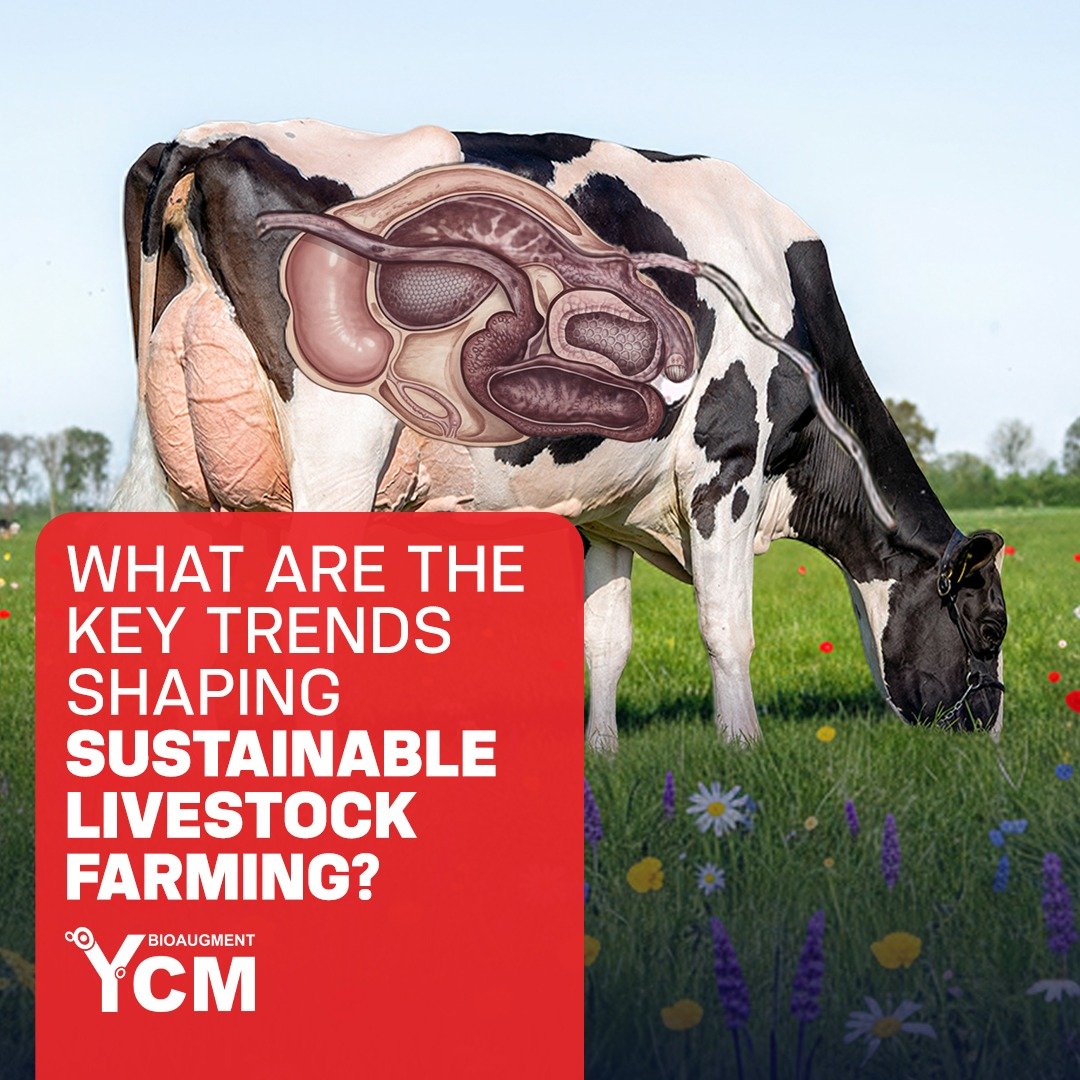
Sustainable livestock farming is no longer a future concept. It is rapidly becoming the standard for profitable, responsible animal agriculture. Rising production costs, environmental pressures, consumer demand for transparency, and tighter regulations are pushing farmers to adopt smarter, more efficient systems.
This article explores the key trends shaping sustainable livestock farming and how producers can adapt while maintaining performance, animal welfare, and long-term profitability.
Why Sustainable Livestock Farming Matters Today
Modern livestock systems must balance three critical goals:
-
Environmental responsibility
-
Animal health and welfare
-
Economic viability
Sustainability-focused farms are proving that efficiency and profitability can go hand in hand when the right practices and technologies are applied.
1. Precision Nutrition and Feed Efficiency
Feed accounts for the largest share of livestock production costs. Improving feed efficiency is one of the most impactful sustainability strategies.
Key developments include:
-
Species-specific diet formulation
-
Improved fiber and nutrient utilization
-
Reduction in feed waste and nutrient excretion
Advanced nutritional solutions, including postbiotic feed additives, help animals extract more value from every kilogram of feed while lowering environmental output.
2. Gut Health–Centered Production Systems
Healthy digestion is the foundation of sustainable performance. Producers are increasingly focusing on gut health to support immunity, growth, and feed conversion.
Benefits of gut-focused farming:
-
Reduced disease pressure
-
Lower dependence on antibiotics
-
Improved nutrient absorption
-
More consistent performance
Postbiotic nutrition supports microbial balance and gut integrity without the risks associated with live microbial products.
3. Reduced Antibiotic Use and Natural Alternatives
Global pressure to reduce antibiotic use in livestock has accelerated innovation in natural health solutions.
Sustainable alternatives include:
-
Postbiotics and functional metabolites
-
Organic acids and plant-based compounds
-
Improved biosecurity and management practices
These approaches support animal resilience while aligning with consumer expectations for antibiotic-conscious production.
4. Climate-Resilient Livestock Management
Heat stress, water scarcity, and extreme weather events are becoming more common. Sustainable farms are adopting climate-smart strategies such as:
-
Heat stress mitigation through nutrition and housing
-
Improved water management systems
-
Breeding and feeding strategies that support resilience
Animals with stronger gut health and metabolic efficiency cope better with environmental stressors.
5. Emission Reduction and Environmental Stewardship
Livestock producers are under increasing pressure to reduce methane, nitrogen, and phosphorus losses.
Emerging practices include:
-
Improved rumen fermentation efficiency
-
Better manure and nutrient management
-
Feed additives that support more efficient microbial metabolism
Efficient digestion not only boosts performance but also reduces environmental footprint.
6. Digital Monitoring and Data-Driven Decisions
Technology is transforming livestock farming through real-time monitoring and data analysis.
Examples include:
-
Feed intake and performance tracking
-
Health and behavior monitoring
-
Early disease detection
These tools help farmers intervene earlier, reduce losses, and optimize resource use.
7. Focus on Animal Welfare and Longevity
Sustainable farming prioritizes animal comfort, health, and productive lifespan.
Improved welfare leads to:
-
Better reproductive performance
-
Lower culling rates
-
Higher lifetime productivity
Healthy animals are more efficient, more resilient, and more profitable over time.
8. Circular and Regenerative Farming Models
Many producers are integrating livestock into broader regenerative systems.
This includes:
-
Recycling nutrients back into soil
-
Integrating crop and livestock production
-
Improving soil health and biodiversity
These systems strengthen long-term sustainability while reducing external input dependence.
Sustainable livestock farming is built on efficiency, resilience, and informed management. Among all innovations, improving digestion and metabolic efficiency remains one of the fastest and most cost-effective paths toward sustainability.
Farms that invest in gut health, feed efficiency, and natural performance support are better positioned to thrive in a changing agricultural landscape.